

Key Insights
The SerDes (Serializer/Deserializer) market for consumer electronics is poised for significant expansion, projected to reach approximately $1.5 billion by 2033, exhibiting a robust Compound Annual Growth Rate (CAGR) of around 8.5% during the forecast period of 2025-2033. This substantial growth is primarily fueled by the insatiable demand for higher bandwidth and faster data transfer rates across a spectrum of consumer devices. The proliferation of high-definition content, immersive gaming experiences, and the increasing integration of artificial intelligence and machine learning in consumer gadgets necessitate advanced SerDes solutions. Key applications such as mobile phones and computers, cameras, and televisions are at the forefront of this adoption curve, benefiting from improved visual fidelity and seamless connectivity. The shift towards more complex and feature-rich electronic devices, coupled with the continuous innovation in semiconductor technology, underpins the positive market outlook.
Despite the promising growth trajectory, the SerDes for consumer electronics market faces certain restraints. The high cost associated with advanced SerDes solutions can be a limiting factor for some consumer segments, especially in price-sensitive markets. Additionally, the intricate design and integration complexities of SerDes technology require specialized expertise, which can pose challenges for smaller manufacturers. However, these challenges are being mitigated by ongoing research and development focused on cost optimization and simplified integration techniques. Emerging trends such as the adoption of PCIe Gen 5 and future iterations, USB4, and CXL (Compute Express Link) are expected to further accelerate market growth, creating new opportunities for both stand-alone SerDes ICs and IP core solutions. Regional dynamics indicate Asia Pacific, particularly China, as a dominant force, driven by its massive consumer electronics manufacturing base and rapid technological adoption.
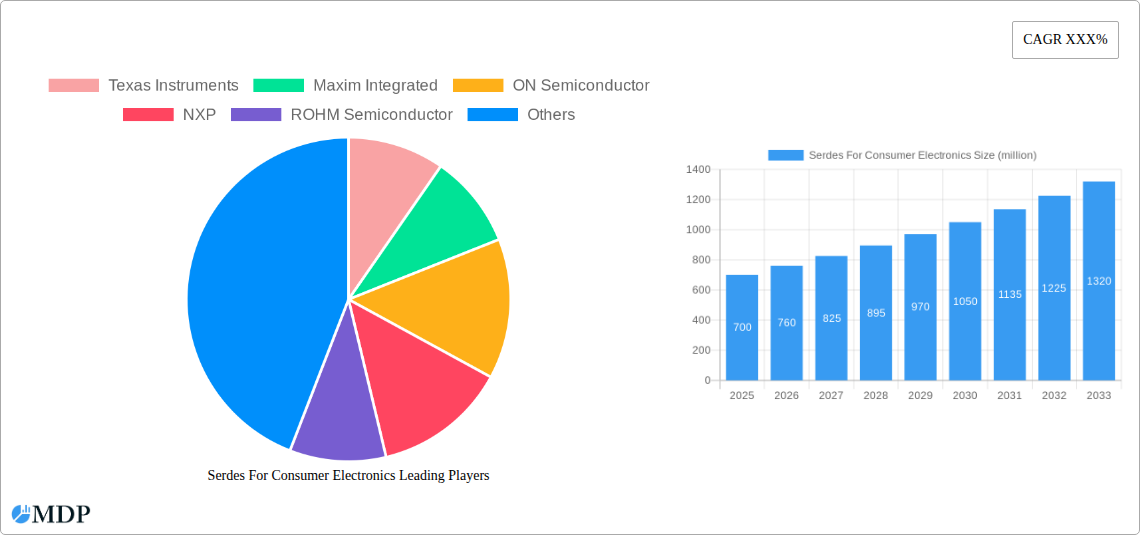
Serdes for Consumer Electronics Market Report: Driving High-Speed Connectivity
This comprehensive report delves into the Serdes (Serializer/Deserializer) market for consumer electronics, a critical technology enabling high-speed data transmission essential for modern devices. Covering a study period from 2019 to 2033, with a base year of 2025 and a forecast period extending to 2033, this analysis provides in-depth insights into market dynamics, industry trends, leading segments, product developments, growth drivers, challenges, and emerging opportunities. The report is designed for industry stakeholders, including semiconductor manufacturers, device designers, investors, and market strategists, seeking to understand and capitalize on the evolving Serdes landscape.
Serdes For Consumer Electronics Market Dynamics & Concentration
The Serdes for Consumer Electronics market exhibits a moderate concentration, with several key players like Texas Instruments, Maxim Integrated, ON Semiconductor, NXP, and ROHM Semiconductor holding significant market shares. The innovation pipeline is driven by the relentless demand for higher bandwidth and lower power consumption in consumer devices, fueled by advancements in mobile phone and computer technologies, high-resolution cameras, and sophisticated televisions. Regulatory frameworks, though generally supportive of technological advancement, can influence design choices and compliance costs, particularly concerning power efficiency and electromagnetic interference. Product substitutes are limited for high-speed Serdes applications due to their specialized nature; however, advancements in alternative interconnect technologies are continuously monitored. End-user trends lean towards miniaturization, increased processing power, and immersive experiences, all of which necessitate robust Serdes solutions. Merger and acquisition activities have been a notable feature, with recent deals like Cypress (Infineon) and Intesil (Renesas) consolidating market power and expanding technological portfolios. The estimated number of M&A deals within the historical period was approximately 10, with an average deal value in the hundreds of millions.
Serdes For Consumer Electronics Industry Trends & Analysis
The Serdes for Consumer Electronics industry is on a robust growth trajectory, driven by an insatiable consumer appetite for faster, more integrated, and more powerful electronic devices. The compound annual growth rate (CAGR) for the Serdes market within consumer electronics is projected to be approximately 12.5% from 2025 to 2033. This sustained expansion is primarily fueled by the increasing adoption of advanced features in smartphones, laptops, gaming consoles, and smart home devices, all of which rely heavily on high-speed data interfaces for optimal performance. Technological disruptions are continuously reshaping the landscape, with ongoing advancements in Serdes technology focusing on higher data rates (e.g., transitioning to 112 Gbps and beyond), improved power efficiency through innovative architectures, and enhanced signal integrity to overcome the challenges of signal loss in compact form factors. Consumer preferences are increasingly dictating product development, with a demand for seamless connectivity, higher resolution video streaming, faster data transfers for media and gaming, and the proliferation of Artificial Intelligence (AI) and machine learning capabilities within edge devices, all of which require sophisticated Serdes solutions. Competitive dynamics are characterized by intense innovation, with established players constantly vying to introduce next-generation Serdes IP cores and stand-alone solutions that offer superior performance, lower latency, and reduced power consumption. Market penetration of advanced Serdes solutions is steadily increasing across various consumer electronics segments, with the mobile phone and computer segment leading this adoption. The increasing integration of complex functionalities, such as advanced camera systems and augmented reality (AR)/virtual reality (VR) capabilities, further propels the demand for high-performance Serdes. The overall market penetration of Serdes technology within the consumer electronics sector is expected to reach over 70% by 2033.
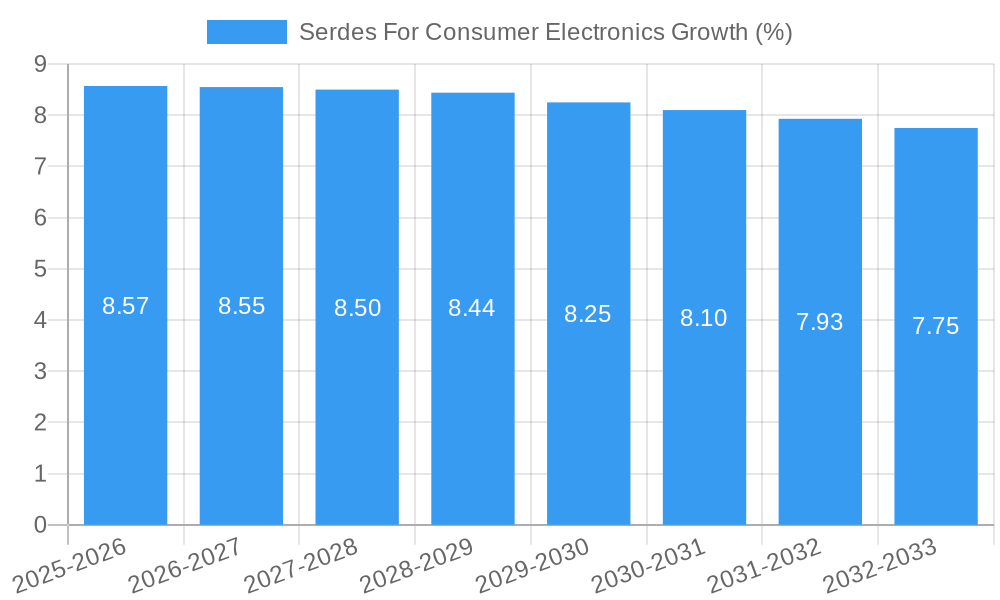
Leading Markets & Segments in Serdes For Consumer Electronics
The dominant region for Serdes for Consumer Electronics is Asia Pacific, driven by its massive manufacturing base and substantial consumer electronics market. Within this region, China, South Korea, and Taiwan are key countries, housing major consumer electronics brands and semiconductor fabrication facilities.
Application Segments:
- Mobile Phone and Computer: This segment represents the largest and fastest-growing application for Serdes.
- Key Drivers:
- The proliferation of 5G technology, requiring higher bandwidth for data transmission.
- The increasing demand for higher resolution displays (4K, 8K) and advanced camera systems in smartphones and laptops.
- The growing adoption of mobile gaming and content creation, necessitating faster data transfer rates.
- The trend towards ultra-thin and compact device designs, demanding highly integrated Serdes solutions.
- Camera: High-performance Serdes are crucial for transmitting high-resolution image and video data from camera sensors to image processors.
- Key Drivers:
- The surge in demand for professional-grade video recording and high-megapixel photography in both consumer and professional cameras.
- The increasing integration of advanced features like image stabilization and AI-powered image enhancement.
- Television: Serdes play a vital role in enabling high-bandwidth display interfaces for modern televisions.
- Key Drivers:
- The widespread adoption of 4K and 8K resolution displays, demanding significantly higher data throughput.
- The integration of smart TV features and streaming capabilities that require robust connectivity.
- The evolution of display technologies like HDR (High Dynamic Range) and advanced refresh rates.
- Printer: While not as high-volume as mobile or computing, Serdes are used for high-speed data transfer in advanced printers.
- Key Drivers:
- The need for faster printing speeds and higher print resolutions in professional and high-end consumer printers.
- The integration of wireless connectivity and complex document processing.
- Other: This category encompasses emerging applications and devices.
- Key Drivers:
- The growth of the Internet of Things (IoT) ecosystem, requiring efficient data transmission between various connected devices.
- The development of augmented reality (AR) and virtual reality (VR) headsets, demanding high-bandwidth, low-latency interfaces.
- The expansion of smart home devices and automotive infotainment systems.
Type Segments:
- Stand-Alone SerDes: These are discrete Serdes chips offering flexibility and performance for various applications.
- Key Drivers:
- Their suitability for applications requiring high performance and specific configurations.
- Their ability to address complex signal integrity challenges in larger system designs.
- IP Core SerDes: These are intellectual property cores integrated into System-on-Chips (SoCs) for highly integrated solutions.
- Key Drivers:
- The demand for miniaturization and power efficiency in mobile and portable devices.
- The cost-effectiveness of integrating Serdes functionality directly onto the main processor.
- The rapid development cycles in consumer electronics, where IP cores offer faster time-to-market.
Serdes For Consumer Electronics Product Developments
- Key Drivers:
- The proliferation of 5G technology, requiring higher bandwidth for data transmission.
- The increasing demand for higher resolution displays (4K, 8K) and advanced camera systems in smartphones and laptops.
- The growing adoption of mobile gaming and content creation, necessitating faster data transfer rates.
- The trend towards ultra-thin and compact device designs, demanding highly integrated Serdes solutions.
- Key Drivers:
- The surge in demand for professional-grade video recording and high-megapixel photography in both consumer and professional cameras.
- The increasing integration of advanced features like image stabilization and AI-powered image enhancement.
- Key Drivers:
- The widespread adoption of 4K and 8K resolution displays, demanding significantly higher data throughput.
- The integration of smart TV features and streaming capabilities that require robust connectivity.
- The evolution of display technologies like HDR (High Dynamic Range) and advanced refresh rates.
- Key Drivers:
- The need for faster printing speeds and higher print resolutions in professional and high-end consumer printers.
- The integration of wireless connectivity and complex document processing.
- Key Drivers:
- The growth of the Internet of Things (IoT) ecosystem, requiring efficient data transmission between various connected devices.
- The development of augmented reality (AR) and virtual reality (VR) headsets, demanding high-bandwidth, low-latency interfaces.
- The expansion of smart home devices and automotive infotainment systems.
- Stand-Alone SerDes: These are discrete Serdes chips offering flexibility and performance for various applications.
- Key Drivers:
- Their suitability for applications requiring high performance and specific configurations.
- Their ability to address complex signal integrity challenges in larger system designs.
- Key Drivers:
- IP Core SerDes: These are intellectual property cores integrated into System-on-Chips (SoCs) for highly integrated solutions.
- Key Drivers:
- The demand for miniaturization and power efficiency in mobile and portable devices.
- The cost-effectiveness of integrating Serdes functionality directly onto the main processor.
- The rapid development cycles in consumer electronics, where IP cores offer faster time-to-market.
- Key Drivers:
Serdes For Consumer Electronics Product Developments
Recent product developments in Serdes for Consumer Electronics focus on pushing the boundaries of speed and efficiency. Companies are introducing next-generation Serdes solutions capable of handling data rates exceeding 112 Gbps, crucial for emerging applications like high-resolution displays and advanced connectivity standards. Innovations include advanced equalization techniques to mitigate signal degradation over longer trace lengths and reduced power consumption per gigabit per second, essential for battery-powered devices. These developments are crucial for competitive advantages in the mobile phone, computer, and advanced television markets, where seamless, high-bandwidth communication is paramount for an enhanced user experience.
Key Drivers of Serdes For Consumer Electronics Growth
The growth of the Serdes for Consumer Electronics market is propelled by several interconnected factors. Technological advancements are paramount, with the continuous push for higher data rates and lower power consumption directly fueling demand for advanced Serdes solutions. The increasing adoption of AI and machine learning in edge devices necessitates faster data processing and transfer, making Serdes indispensable. Economically, the burgeoning global consumer electronics market, particularly in emerging economies, provides a vast addressable market. Regulatory pressures promoting energy efficiency also indirectly support the development of more power-conscious Serdes designs. The expansion of 5G networks and the increasing prevalence of high-resolution content further drive the need for high-bandwidth connectivity enabled by Serdes.
Challenges in the Serdes For Consumer Electronics Market
Despite robust growth, the Serdes for Consumer Electronics market faces several challenges. Escalating manufacturing costs for advanced semiconductor nodes required for cutting-edge Serdes can impact pricing and profitability. Supply chain disruptions, as evidenced by recent global events, can lead to component shortages and production delays, affecting market availability. Intense competition among established players and emerging entrants can lead to price erosion. Furthermore, the increasing complexity of Serdes designs requires specialized expertise and longer development cycles, posing a challenge for smaller companies. The market is also subject to rapid technological obsolescence, requiring continuous investment in R&D to stay competitive.
Emerging Opportunities in Serdes For Consumer Electronics
Emerging opportunities in the Serdes for Consumer Electronics market are primarily driven by transformative technological trends. The ongoing expansion of the metaverse and augmented reality (AR)/virtual reality (VR) ecosystems presents a significant opportunity for high-bandwidth, low-latency Serdes solutions essential for immersive experiences. The continued growth of the Internet of Things (IoT) and the increasing integration of AI at the edge will drive demand for efficient data transfer between connected devices. Strategic partnerships between Serdes providers and leading consumer electronics manufacturers can accelerate product development and market penetration. Furthermore, the development of novel materials and packaging techniques for Serdes could unlock new performance and cost advantages, opening up untapped market segments.
Leading Players in the Serdes For Consumer Electronics Sector
- Texas Instruments
- Maxim Integrated
- ON Semiconductor
- NXP
- ROHM Semiconductor
- Cypress (Infineon)
- Intesil (Renesas)
- Semtech
- Vitesse (Microsemi)
- Faraday Technology
- Inova Semiconductors
- THine Electronics
Key Milestones in Serdes For Consumer Electronics Industry
- 2019: Introduction of 25 Gbps Serdes solutions for mobile applications.
- 2020: Significant advancements in power efficiency for Serdes IP cores.
- 2021: Increased adoption of 56 Gbps Serdes in high-end consumer devices.
- 2022: Mergers and acquisitions leading to consolidation and expanded portfolios.
- 2023: Growing demand for Serdes solutions supporting 8K video transmission.
- 2024: Emerging focus on AI-accelerated Serdes for edge computing.
- 2025 (Estimated): Increased commercialization of 112 Gbps Serdes technology.
- 2027 (Projected): Wider adoption of Serdes in AR/VR devices.
- 2030 (Projected): Continued push for even higher data rates and reduced power consumption.
- 2033 (Projected): Mature market with highly integrated and specialized Serdes solutions.
Strategic Outlook for Serdes For Consumer Electronics Market
The strategic outlook for the Serdes for Consumer Electronics market remains exceptionally positive, driven by the insatiable demand for faster, more efficient, and more integrated electronic devices. Key growth accelerators include the ongoing evolution of mobile communication standards, the burgeoning metaverse and AR/VR sectors, and the increasing intelligence embedded within consumer products. Manufacturers that focus on developing highly power-efficient Serdes solutions will gain a competitive edge, particularly in the mobile and wearable device segments. Strategic collaborations with leading consumer electronics brands will be crucial for aligning Serdes technology roadmaps with future product requirements. The market is poised for continued innovation, with a focus on enabling seamless, high-bandwidth experiences for consumers worldwide.
Serdes For Consumer Electronics Segmentation
-
1. Application
- 1.1. Mobile Phone and Computer
- 1.2. Camera
- 1.3. Television
- 1.4. Printer
- 1.5. Other
-
2. Type
- 2.1. Stand-Alone SerDes
- 2.2. IP Core SerDes
Serdes For Consumer Electronics Segmentation By Geography
-
1. North America
- 1.1. United States
- 1.2. Canada
- 1.3. Mexico
-
2. South America
- 2.1. Brazil
- 2.2. Argentina
- 2.3. Rest of South America
-
3. Europe
- 3.1. United Kingdom
- 3.2. Germany
- 3.3. France
- 3.4. Italy
- 3.5. Spain
- 3.6. Russia
- 3.7. Benelux
- 3.8. Nordics
- 3.9. Rest of Europe
-
4. Middle East & Africa
- 4.1. Turkey
- 4.2. Israel
- 4.3. GCC
- 4.4. North Africa
- 4.5. South Africa
- 4.6. Rest of Middle East & Africa
-
5. Asia Pacific
- 5.1. China
- 5.2. India
- 5.3. Japan
- 5.4. South Korea
- 5.5. ASEAN
- 5.6. Oceania
- 5.7. Rest of Asia Pacific
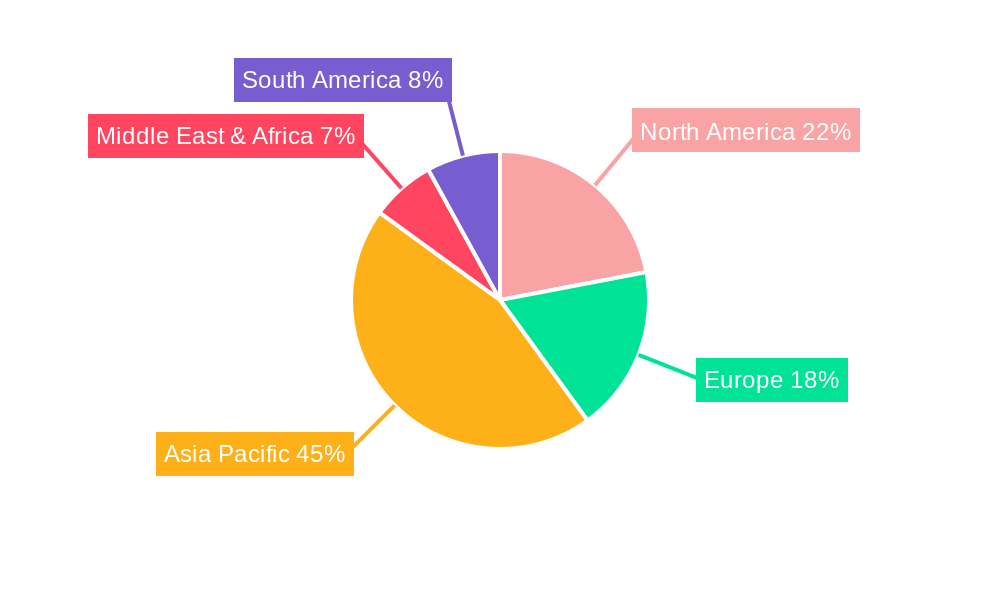
Serdes For Consumer Electronics REPORT HIGHLIGHTS
| Aspects | Details |
|---|---|
| Study Period | 2019-2033 |
| Base Year | 2024 |
| Estimated Year | 2025 |
| Forecast Period | 2025-2033 |
| Historical Period | 2019-2024 |
| Growth Rate | CAGR of XXX% from 2019-2033 |
| Segmentation |
|
Table of Contents
- 1. Introduction
- 1.1. Research Scope
- 1.2. Market Segmentation
- 1.3. Research Methodology
- 1.4. Definitions and Assumptions
- 2. Executive Summary
- 2.1. Introduction
- 3. Market Dynamics
- 3.1. Introduction
- 3.2. Market Drivers
- 3.3. Market Restrains
- 3.4. Market Trends
- 4. Market Factor Analysis
- 4.1. Porters Five Forces
- 4.2. Supply/Value Chain
- 4.3. PESTEL analysis
- 4.4. Market Entropy
- 4.5. Patent/Trademark Analysis
- 5. Global Serdes For Consumer Electronics Analysis, Insights and Forecast, 2019-2031
- 5.1. Market Analysis, Insights and Forecast - by Application
- 5.1.1. Mobile Phone and Computer
- 5.1.2. Camera
- 5.1.3. Television
- 5.1.4. Printer
- 5.1.5. Other
- 5.2. Market Analysis, Insights and Forecast - by Type
- 5.2.1. Stand-Alone SerDes
- 5.2.2. IP Core SerDes
- 5.3. Market Analysis, Insights and Forecast - by Region
- 5.3.1. North America
- 5.3.2. South America
- 5.3.3. Europe
- 5.3.4. Middle East & Africa
- 5.3.5. Asia Pacific
- 5.1. Market Analysis, Insights and Forecast - by Application
- 6. North America Serdes For Consumer Electronics Analysis, Insights and Forecast, 2019-2031
- 6.1. Market Analysis, Insights and Forecast - by Application
- 6.1.1. Mobile Phone and Computer
- 6.1.2. Camera
- 6.1.3. Television
- 6.1.4. Printer
- 6.1.5. Other
- 6.2. Market Analysis, Insights and Forecast - by Type
- 6.2.1. Stand-Alone SerDes
- 6.2.2. IP Core SerDes
- 6.1. Market Analysis, Insights and Forecast - by Application
- 7. South America Serdes For Consumer Electronics Analysis, Insights and Forecast, 2019-2031
- 7.1. Market Analysis, Insights and Forecast - by Application
- 7.1.1. Mobile Phone and Computer
- 7.1.2. Camera
- 7.1.3. Television
- 7.1.4. Printer
- 7.1.5. Other
- 7.2. Market Analysis, Insights and Forecast - by Type
- 7.2.1. Stand-Alone SerDes
- 7.2.2. IP Core SerDes
- 7.1. Market Analysis, Insights and Forecast - by Application
- 8. Europe Serdes For Consumer Electronics Analysis, Insights and Forecast, 2019-2031
- 8.1. Market Analysis, Insights and Forecast - by Application
- 8.1.1. Mobile Phone and Computer
- 8.1.2. Camera
- 8.1.3. Television
- 8.1.4. Printer
- 8.1.5. Other
- 8.2. Market Analysis, Insights and Forecast - by Type
- 8.2.1. Stand-Alone SerDes
- 8.2.2. IP Core SerDes
- 8.1. Market Analysis, Insights and Forecast - by Application
- 9. Middle East & Africa Serdes For Consumer Electronics Analysis, Insights and Forecast, 2019-2031
- 9.1. Market Analysis, Insights and Forecast - by Application
- 9.1.1. Mobile Phone and Computer
- 9.1.2. Camera
- 9.1.3. Television
- 9.1.4. Printer
- 9.1.5. Other
- 9.2. Market Analysis, Insights and Forecast - by Type
- 9.2.1. Stand-Alone SerDes
- 9.2.2. IP Core SerDes
- 9.1. Market Analysis, Insights and Forecast - by Application
- 10. Asia Pacific Serdes For Consumer Electronics Analysis, Insights and Forecast, 2019-2031
- 10.1. Market Analysis, Insights and Forecast - by Application
- 10.1.1. Mobile Phone and Computer
- 10.1.2. Camera
- 10.1.3. Television
- 10.1.4. Printer
- 10.1.5. Other
- 10.2. Market Analysis, Insights and Forecast - by Type
- 10.2.1. Stand-Alone SerDes
- 10.2.2. IP Core SerDes
- 10.1. Market Analysis, Insights and Forecast - by Application
- 11. Competitive Analysis
- 11.1. Global Market Share Analysis 2024
- 11.2. Company Profiles
- 11.2.1 Texas Instruments
- 11.2.1.1. Overview
- 11.2.1.2. Products
- 11.2.1.3. SWOT Analysis
- 11.2.1.4. Recent Developments
- 11.2.1.5. Financials (Based on Availability)
- 11.2.2 Maxim Integrated
- 11.2.2.1. Overview
- 11.2.2.2. Products
- 11.2.2.3. SWOT Analysis
- 11.2.2.4. Recent Developments
- 11.2.2.5. Financials (Based on Availability)
- 11.2.3 ON Semiconductor
- 11.2.3.1. Overview
- 11.2.3.2. Products
- 11.2.3.3. SWOT Analysis
- 11.2.3.4. Recent Developments
- 11.2.3.5. Financials (Based on Availability)
- 11.2.4 NXP
- 11.2.4.1. Overview
- 11.2.4.2. Products
- 11.2.4.3. SWOT Analysis
- 11.2.4.4. Recent Developments
- 11.2.4.5. Financials (Based on Availability)
- 11.2.5 ROHM Semiconductor
- 11.2.5.1. Overview
- 11.2.5.2. Products
- 11.2.5.3. SWOT Analysis
- 11.2.5.4. Recent Developments
- 11.2.5.5. Financials (Based on Availability)
- 11.2.6 Cypress (Infineon)
- 11.2.6.1. Overview
- 11.2.6.2. Products
- 11.2.6.3. SWOT Analysis
- 11.2.6.4. Recent Developments
- 11.2.6.5. Financials (Based on Availability)
- 11.2.7 Intesil (Renesas)
- 11.2.7.1. Overview
- 11.2.7.2. Products
- 11.2.7.3. SWOT Analysis
- 11.2.7.4. Recent Developments
- 11.2.7.5. Financials (Based on Availability)
- 11.2.8 Semtech
- 11.2.8.1. Overview
- 11.2.8.2. Products
- 11.2.8.3. SWOT Analysis
- 11.2.8.4. Recent Developments
- 11.2.8.5. Financials (Based on Availability)
- 11.2.9 Vitesse (Microsemi)
- 11.2.9.1. Overview
- 11.2.9.2. Products
- 11.2.9.3. SWOT Analysis
- 11.2.9.4. Recent Developments
- 11.2.9.5. Financials (Based on Availability)
- 11.2.10 Faraday Technology
- 11.2.10.1. Overview
- 11.2.10.2. Products
- 11.2.10.3. SWOT Analysis
- 11.2.10.4. Recent Developments
- 11.2.10.5. Financials (Based on Availability)
- 11.2.11 Inova Semiconductors
- 11.2.11.1. Overview
- 11.2.11.2. Products
- 11.2.11.3. SWOT Analysis
- 11.2.11.4. Recent Developments
- 11.2.11.5. Financials (Based on Availability)
- 11.2.12 THine Electronics
- 11.2.12.1. Overview
- 11.2.12.2. Products
- 11.2.12.3. SWOT Analysis
- 11.2.12.4. Recent Developments
- 11.2.12.5. Financials (Based on Availability)
- 11.2.1 Texas Instruments
List of Figures
- Figure 1: Global Serdes For Consumer Electronics Revenue Breakdown (million, %) by Region 2024 & 2032
- Figure 2: North America Serdes For Consumer Electronics Revenue (million), by Application 2024 & 2032
- Figure 3: North America Serdes For Consumer Electronics Revenue Share (%), by Application 2024 & 2032
- Figure 4: North America Serdes For Consumer Electronics Revenue (million), by Type 2024 & 2032
- Figure 5: North America Serdes For Consumer Electronics Revenue Share (%), by Type 2024 & 2032
- Figure 6: North America Serdes For Consumer Electronics Revenue (million), by Country 2024 & 2032
- Figure 7: North America Serdes For Consumer Electronics Revenue Share (%), by Country 2024 & 2032
- Figure 8: South America Serdes For Consumer Electronics Revenue (million), by Application 2024 & 2032
- Figure 9: South America Serdes For Consumer Electronics Revenue Share (%), by Application 2024 & 2032
- Figure 10: South America Serdes For Consumer Electronics Revenue (million), by Type 2024 & 2032
- Figure 11: South America Serdes For Consumer Electronics Revenue Share (%), by Type 2024 & 2032
- Figure 12: South America Serdes For Consumer Electronics Revenue (million), by Country 2024 & 2032
- Figure 13: South America Serdes For Consumer Electronics Revenue Share (%), by Country 2024 & 2032
- Figure 14: Europe Serdes For Consumer Electronics Revenue (million), by Application 2024 & 2032
- Figure 15: Europe Serdes For Consumer Electronics Revenue Share (%), by Application 2024 & 2032
- Figure 16: Europe Serdes For Consumer Electronics Revenue (million), by Type 2024 & 2032
- Figure 17: Europe Serdes For Consumer Electronics Revenue Share (%), by Type 2024 & 2032
- Figure 18: Europe Serdes For Consumer Electronics Revenue (million), by Country 2024 & 2032
- Figure 19: Europe Serdes For Consumer Electronics Revenue Share (%), by Country 2024 & 2032
- Figure 20: Middle East & Africa Serdes For Consumer Electronics Revenue (million), by Application 2024 & 2032
- Figure 21: Middle East & Africa Serdes For Consumer Electronics Revenue Share (%), by Application 2024 & 2032
- Figure 22: Middle East & Africa Serdes For Consumer Electronics Revenue (million), by Type 2024 & 2032
- Figure 23: Middle East & Africa Serdes For Consumer Electronics Revenue Share (%), by Type 2024 & 2032
- Figure 24: Middle East & Africa Serdes For Consumer Electronics Revenue (million), by Country 2024 & 2032
- Figure 25: Middle East & Africa Serdes For Consumer Electronics Revenue Share (%), by Country 2024 & 2032
- Figure 26: Asia Pacific Serdes For Consumer Electronics Revenue (million), by Application 2024 & 2032
- Figure 27: Asia Pacific Serdes For Consumer Electronics Revenue Share (%), by Application 2024 & 2032
- Figure 28: Asia Pacific Serdes For Consumer Electronics Revenue (million), by Type 2024 & 2032
- Figure 29: Asia Pacific Serdes For Consumer Electronics Revenue Share (%), by Type 2024 & 2032
- Figure 30: Asia Pacific Serdes For Consumer Electronics Revenue (million), by Country 2024 & 2032
- Figure 31: Asia Pacific Serdes For Consumer Electronics Revenue Share (%), by Country 2024 & 2032
List of Tables
- Table 1: Global Serdes For Consumer Electronics Revenue million Forecast, by Region 2019 & 2032
- Table 2: Global Serdes For Consumer Electronics Revenue million Forecast, by Application 2019 & 2032
- Table 3: Global Serdes For Consumer Electronics Revenue million Forecast, by Type 2019 & 2032
- Table 4: Global Serdes For Consumer Electronics Revenue million Forecast, by Region 2019 & 2032
- Table 5: Global Serdes For Consumer Electronics Revenue million Forecast, by Application 2019 & 2032
- Table 6: Global Serdes For Consumer Electronics Revenue million Forecast, by Type 2019 & 2032
- Table 7: Global Serdes For Consumer Electronics Revenue million Forecast, by Country 2019 & 2032
- Table 8: United States Serdes For Consumer Electronics Revenue (million) Forecast, by Application 2019 & 2032
- Table 9: Canada Serdes For Consumer Electronics Revenue (million) Forecast, by Application 2019 & 2032
- Table 10: Mexico Serdes For Consumer Electronics Revenue (million) Forecast, by Application 2019 & 2032
- Table 11: Global Serdes For Consumer Electronics Revenue million Forecast, by Application 2019 & 2032
- Table 12: Global Serdes For Consumer Electronics Revenue million Forecast, by Type 2019 & 2032
- Table 13: Global Serdes For Consumer Electronics Revenue million Forecast, by Country 2019 & 2032
- Table 14: Brazil Serdes For Consumer Electronics Revenue (million) Forecast, by Application 2019 & 2032
- Table 15: Argentina Serdes For Consumer Electronics Revenue (million) Forecast, by Application 2019 & 2032
- Table 16: Rest of South America Serdes For Consumer Electronics Revenue (million) Forecast, by Application 2019 & 2032
- Table 17: Global Serdes For Consumer Electronics Revenue million Forecast, by Application 2019 & 2032
- Table 18: Global Serdes For Consumer Electronics Revenue million Forecast, by Type 2019 & 2032
- Table 19: Global Serdes For Consumer Electronics Revenue million Forecast, by Country 2019 & 2032
- Table 20: United Kingdom Serdes For Consumer Electronics Revenue (million) Forecast, by Application 2019 & 2032
- Table 21: Germany Serdes For Consumer Electronics Revenue (million) Forecast, by Application 2019 & 2032
- Table 22: France Serdes For Consumer Electronics Revenue (million) Forecast, by Application 2019 & 2032
- Table 23: Italy Serdes For Consumer Electronics Revenue (million) Forecast, by Application 2019 & 2032
- Table 24: Spain Serdes For Consumer Electronics Revenue (million) Forecast, by Application 2019 & 2032
- Table 25: Russia Serdes For Consumer Electronics Revenue (million) Forecast, by Application 2019 & 2032
- Table 26: Benelux Serdes For Consumer Electronics Revenue (million) Forecast, by Application 2019 & 2032
- Table 27: Nordics Serdes For Consumer Electronics Revenue (million) Forecast, by Application 2019 & 2032
- Table 28: Rest of Europe Serdes For Consumer Electronics Revenue (million) Forecast, by Application 2019 & 2032
- Table 29: Global Serdes For Consumer Electronics Revenue million Forecast, by Application 2019 & 2032
- Table 30: Global Serdes For Consumer Electronics Revenue million Forecast, by Type 2019 & 2032
- Table 31: Global Serdes For Consumer Electronics Revenue million Forecast, by Country 2019 & 2032
- Table 32: Turkey Serdes For Consumer Electronics Revenue (million) Forecast, by Application 2019 & 2032
- Table 33: Israel Serdes For Consumer Electronics Revenue (million) Forecast, by Application 2019 & 2032
- Table 34: GCC Serdes For Consumer Electronics Revenue (million) Forecast, by Application 2019 & 2032
- Table 35: North Africa Serdes For Consumer Electronics Revenue (million) Forecast, by Application 2019 & 2032
- Table 36: South Africa Serdes For Consumer Electronics Revenue (million) Forecast, by Application 2019 & 2032
- Table 37: Rest of Middle East & Africa Serdes For Consumer Electronics Revenue (million) Forecast, by Application 2019 & 2032
- Table 38: Global Serdes For Consumer Electronics Revenue million Forecast, by Application 2019 & 2032
- Table 39: Global Serdes For Consumer Electronics Revenue million Forecast, by Type 2019 & 2032
- Table 40: Global Serdes For Consumer Electronics Revenue million Forecast, by Country 2019 & 2032
- Table 41: China Serdes For Consumer Electronics Revenue (million) Forecast, by Application 2019 & 2032
- Table 42: India Serdes For Consumer Electronics Revenue (million) Forecast, by Application 2019 & 2032
- Table 43: Japan Serdes For Consumer Electronics Revenue (million) Forecast, by Application 2019 & 2032
- Table 44: South Korea Serdes For Consumer Electronics Revenue (million) Forecast, by Application 2019 & 2032
- Table 45: ASEAN Serdes For Consumer Electronics Revenue (million) Forecast, by Application 2019 & 2032
- Table 46: Oceania Serdes For Consumer Electronics Revenue (million) Forecast, by Application 2019 & 2032
- Table 47: Rest of Asia Pacific Serdes For Consumer Electronics Revenue (million) Forecast, by Application 2019 & 2032
Frequently Asked Questions
1. What is the projected Compound Annual Growth Rate (CAGR) of the Serdes For Consumer Electronics?
The projected CAGR is approximately XXX%.
2. Which companies are prominent players in the Serdes For Consumer Electronics?
Key companies in the market include Texas Instruments, Maxim Integrated, ON Semiconductor, NXP, ROHM Semiconductor, Cypress (Infineon), Intesil (Renesas), Semtech, Vitesse (Microsemi), Faraday Technology, Inova Semiconductors, THine Electronics.
3. What are the main segments of the Serdes For Consumer Electronics?
The market segments include Application, Type.
4. Can you provide details about the market size?
The market size is estimated to be USD XXX million as of 2022.
5. What are some drivers contributing to market growth?
N/A
6. What are the notable trends driving market growth?
N/A
7. Are there any restraints impacting market growth?
N/A
8. Can you provide examples of recent developments in the market?
N/A
9. What pricing options are available for accessing the report?
Pricing options include single-user, multi-user, and enterprise licenses priced at USD 4250.00, USD 6375.00, and USD 8500.00 respectively.
10. Is the market size provided in terms of value or volume?
The market size is provided in terms of value, measured in million.
11. Are there any specific market keywords associated with the report?
Yes, the market keyword associated with the report is "Serdes For Consumer Electronics," which aids in identifying and referencing the specific market segment covered.
12. How do I determine which pricing option suits my needs best?
The pricing options vary based on user requirements and access needs. Individual users may opt for single-user licenses, while businesses requiring broader access may choose multi-user or enterprise licenses for cost-effective access to the report.
13. Are there any additional resources or data provided in the Serdes For Consumer Electronics report?
While the report offers comprehensive insights, it's advisable to review the specific contents or supplementary materials provided to ascertain if additional resources or data are available.
14. How can I stay updated on further developments or reports in the Serdes For Consumer Electronics?
To stay informed about further developments, trends, and reports in the Serdes For Consumer Electronics, consider subscribing to industry newsletters, following relevant companies and organizations, or regularly checking reputable industry news sources and publications.
Methodology
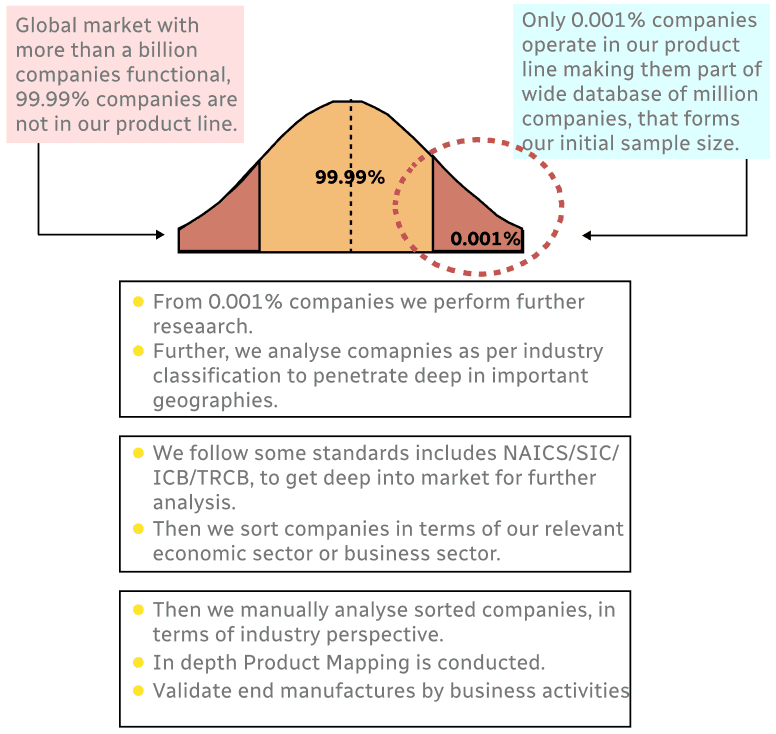
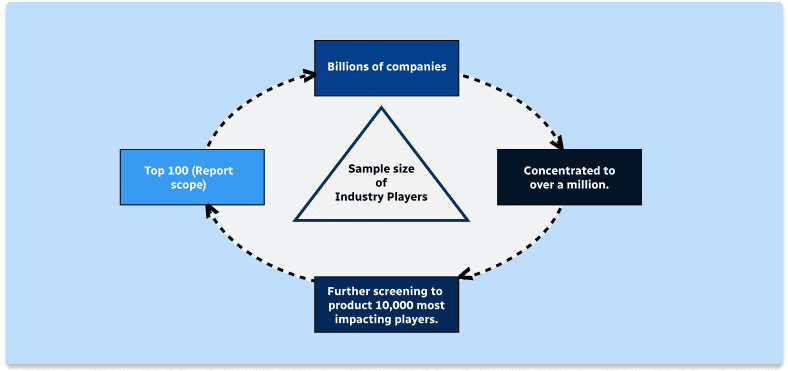
Step 1 - Identification of Relevant Samples Size from Population Database
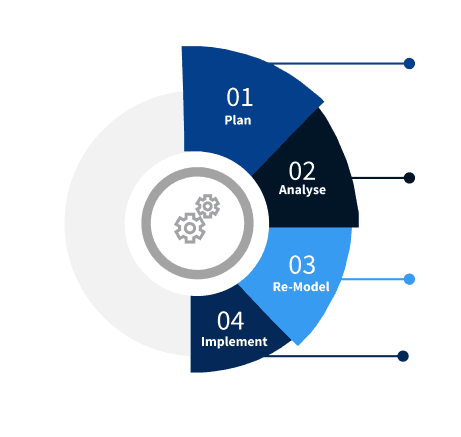
Step 2 - Approaches for Defining Global Market Size (Value, Volume* & Price*)
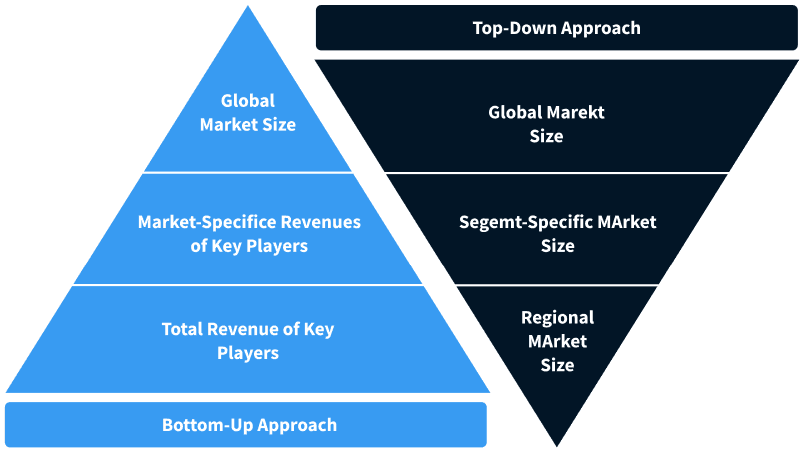
Note*: In applicable scenarios
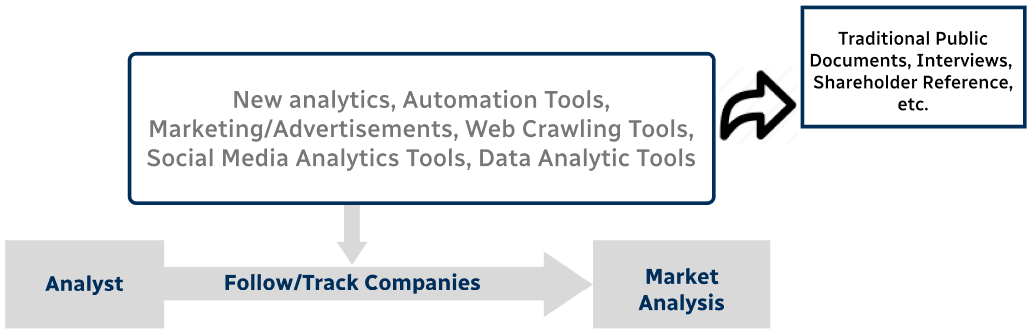
Step 3 - Data Sources
Primary Research
- Web Analytics
- Survey Reports
- Research Institute
- Latest Research Reports
- Opinion Leaders
Secondary Research
- Annual Reports
- White Paper
- Latest Press Release
- Industry Association
- Paid Database
- Investor Presentations
Step 4 - Data Triangulation
Involves using different sources of information in order to increase the validity of a study
These sources are likely to be stakeholders in a program - participants, other researchers, program staff, other community members, and so on.
Then we put all data in single framework & apply various statistical tools to find out the dynamic on the market.
During the analysis stage, feedback from the stakeholder groups would be compared to determine areas of agreement as well as areas of divergence