

Key Insights
The Asia-Pacific (APAC) baby food packaging market is experiencing robust growth, driven by rising disposable incomes, increasing urbanization, and a growing preference for convenient and safe baby food products. The market's Compound Annual Growth Rate (CAGR) of 7.48% from 2019 to 2024 suggests a significant expansion, projected to continue into the forecast period (2025-2033). Key growth drivers include the increasing demand for ready-to-eat and ready-to-drink baby food, a surge in working mothers seeking convenient options, and heightened consumer awareness regarding food safety and hygiene. Within APAC, China and India are major contributors to this growth, fueled by their large populations and expanding middle classes. The market segmentation reveals a diverse landscape, with plastic packaging dominating due to its cost-effectiveness and versatility, followed by paperboard and metal packaging options catering to different product types and consumer preferences. Bottles, cartons, and pouches are popular packaging types, aligned with the varied formats of liquid, powdered, and prepared baby food products. Major players like AptarGroup, Ball Corporation, and Amcor Ltd. are actively shaping the market through innovation in packaging materials and design, focusing on enhanced shelf life, tamper-evidence, and eco-friendly solutions. Growth constraints may include fluctuating raw material prices, stringent regulatory compliance requirements, and increasing competition among packaging manufacturers.
The APAC baby food packaging market presents substantial opportunities for businesses focusing on sustainable and innovative solutions. The increasing adoption of e-commerce and online baby food retail channels is creating new demand for packaging that ensures product integrity during transit. Furthermore, the growing awareness of environmental concerns is pushing manufacturers towards biodegradable and recyclable packaging options. Companies are actively investing in research and development to create packaging materials with improved barrier properties, reduced environmental impact, and enhanced convenience features. This trend towards sustainable and functional packaging is expected to drive further market segmentation and innovation in the years to come, potentially leading to new material types and packaging designs. The continued economic growth and evolving consumer preferences within APAC will continue to fuel the expansion of this dynamic market.

APAC Baby Food Packaging Market Report: 2019-2033
This comprehensive report provides a detailed analysis of the Asia-Pacific (APAC) baby food packaging market, offering invaluable insights for industry stakeholders, investors, and strategic decision-makers. Covering the period 2019-2033, with a focus on 2025, this report dissects market dynamics, trends, leading players, and future growth opportunities. The market is projected to reach xx Million by 2033, exhibiting a compelling CAGR of xx%.
APAC Baby Food Packaging Market Market Dynamics & Concentration
The APAC baby food packaging market presents a dynamic landscape characterized by a moderately concentrated structure. Leading global entities such as AptarGroup, Ball Corporation, Sonoco Products Company, and Amcor Ltd. command substantial market share. Concurrently, a robust presence of agile regional players intensifies competition and fosters localized innovation. A pivotal market dynamic is the escalating demand for sustainable packaging solutions, largely fueled by heightened environmental consciousness among consumers and regulatory bodies. Stringent regulatory frameworks governing food safety, material composition, and recyclability further shape manufacturing processes and material choices. The market is also witnessing continuous product evolution and substitution, with a pronounced shift towards eco-friendly alternatives like mono-material recyclable pouches and advanced paperboard cartons. End-user preferences, particularly the growing demand for convenient, tamper-evident, and safe packaging, are directly influencing product development and market expansion strategies. Over the past five years, the APAC baby food packaging sector has observed a notable trend of consolidation, evidenced by approximately XX M&A deals, signifying strategic expansions, acquisitions aimed at enhancing technological capabilities, and efforts to secure broader market reach.
- Market Concentration: The top five key players collectively account for approximately XX% of the total market share, highlighting a degree of consolidation among major international corporations.
- Innovation Drivers: The primary catalysts for innovation include the burgeoning demand for sustainable and environmentally responsible packaging, coupled with an increasing emphasis on packaging convenience and safety, all within the context of evolving regulatory standards.
- Regulatory Frameworks: Adherence to stringent regional and international food safety certifications, such as BIS standards in India and other specific governmental guidelines across APAC, significantly influences the selection of packaging materials and manufacturing methodologies. For instance, Chemco's recent achievement of specific BIS certifications underscores the importance of compliance.
- Product Substitutes: A prominent trend is the widespread adoption of more sustainable packaging materials. The increasing incorporation of mono-polymer pouches, designed for enhanced recyclability, is a significant example of this shift away from traditional multi-layer plastics.
- End-User Trends: Consumer preferences are increasingly leaning towards packaging features that offer superior convenience and safety. This includes the demand for resealable pouches that maintain freshness, easy-to-open designs for busy parents, and transparent labeling that clearly communicates ingredient information and nutritional value, all contributing to market expansion.
- M&A Activities: The observed volume of M&A transactions in the APAC baby food packaging sector is indicative of a broader consolidation trend, with companies actively pursuing acquisitions to expand their geographical footprint, gain access to new technologies, and strengthen their competitive positions.
APAC Baby Food Packaging Market Industry Trends & Analysis
The APAC baby food packaging market is experiencing robust growth, driven by several factors. Rising disposable incomes, increasing urbanization, and a growing preference for convenient ready-to-eat baby food are key market drivers. Technological advancements, such as the introduction of innovative barrier films and recyclable materials, are significantly impacting packaging solutions. Consumer preferences are shifting towards sustainable and eco-friendly packaging, creating opportunities for manufacturers to adopt innovative technologies and materials. The competitive landscape is dynamic, with both established multinational corporations and regional players vying for market share. Market penetration of sustainable packaging solutions is steadily increasing, with a projected xx% increase in the forecast period.

Leading Markets & Segments in APAC Baby Food Packaging Market
Dominant Regions & Segments:
- By Country: China and India are the leading markets due to their vast populations and expanding middle class. Japan and South Korea show strong demand for premium baby food packaging.
- By Material: Plastic currently dominates due to its cost-effectiveness and versatility. However, there is a significant growth in demand for sustainable alternatives like paperboard and recyclable materials.
- By Package Type: Bottles and pouches are the most prevalent packaging types, followed by cartons and jars. Pouches offer convenience, while bottles cater to premium segments.
- By Product: Liquid milk formula and powder milk formula represent the largest segments, followed by prepared baby food and dried baby food.
Key Drivers:
- China & India: Rapid economic growth, rising disposable incomes, and increasing urbanization contribute significantly to market expansion in these countries. Improved infrastructure and enhanced cold chain logistics also play crucial roles.
- Japan & South Korea: High consumer awareness regarding food safety and a preference for premium, sustainable packaging drives market growth in these countries.
APAC Baby Food Packaging Market Product Developments
Significant developments include the rise of 100% recyclable mono-polymer hot-fill pouches (as seen in Uflex's partnership) and the increasing adoption of barrier films to enhance product shelf life and freshness. These innovations cater to the growing consumer demand for both sustainability and product quality. Companies are focusing on developing innovative packaging solutions that address specific consumer needs, including easy-open features, resealable designs, and improved functionality.
Key Drivers of APAC Baby Food Packaging Market Growth
The sustained growth of the APAC baby food packaging market is underpinned by a confluence of significant factors:
- Technological Advancements: Continuous innovation in the development and application of sustainable packaging materials, including advanced recyclable plastics, biodegradable options, and novel paperboard alternatives, is a primary engine of market expansion.
- Economic Growth: Robust economic expansion across key APAC economies, characterized by rising disposable incomes and increasing urbanization rates, is directly translating into higher consumer spending on premium and convenient baby food products, thereby boosting packaging demand.
- Favorable Regulations: Proactive regulatory initiatives aimed at enhancing food safety standards and promoting the adoption of environmentally friendly packaging solutions are creating conducive market conditions and fostering growth opportunities for compliant manufacturers.
Challenges in the APAC Baby Food Packaging Market Market
Navigating the APAC baby food packaging market presents several multifaceted challenges. Fluctuating raw material prices, particularly for plastics and paper pulp, can impact production costs and profitability. The imperative to comply with an increasingly complex and varied landscape of regulatory requirements across different APAC nations demands significant investment in testing, certification, and quality control. Furthermore, the establishment and maintenance of a resilient and sustainable supply chain are critical but can be hampered by logistical complexities and the availability of eco-friendly raw materials. Intense competitive pressures from both established global players and emerging local manufacturers necessitate continuous innovation and cost optimization. These collective challenges may, in the short term, lead to an estimated XX% reduction in profit margins for certain market participants.
Emerging Opportunities in APAC Baby Food Packaging Market
Emerging opportunities lie in the growing demand for sustainable and eco-friendly packaging solutions. Strategic partnerships focusing on innovation and the expansion into emerging markets within the APAC region offer significant potential for growth. Furthermore, advancements in packaging technology, such as smart packaging, which provides real-time information on product freshness and quality, represent exciting new opportunities.
Leading Players in the APAC Baby Food Packaging Market Sector
- AptarGroup
- Ball Corporation
- Sonoco Products Company
- Hindustan National Glass
- Uflex Ltd
- Tetra Laval
- Mondi Group
- Winpak Ltd
- DS Smith Plc
- Constantia Flexibles
- Berry Global Inc
- Rexam PLC
- Amcor Ltd
Key Milestones in APAC Baby Food Packaging Market Industry
- September 2021: Uflex partners with Mespack and Hoffer Plastics to develop 100% recyclable mono-polymer hot-fill pouches, signifying a significant step towards sustainable packaging.
- October 2021: Chemco achieves BIS certification for baby feeding bottle nipples/teats, setting a new benchmark for safety standards.
Strategic Outlook for APAC Baby Food Packaging Market Market
The APAC baby food packaging market is poised for substantial growth, fueled by a favorable demographic profile, rising disposable incomes, ongoing urbanization trends, and a discernible shift in consumer preferences towards convenient, safe, and innovative packaging solutions. To effectively harness this potential, companies will need to prioritize strategic partnerships, invest heavily in research and development for advanced materials and designs, and actively pursue expansion opportunities in burgeoning emerging markets within the region. The future trajectory of the market will be defined by a delicate equilibrium between offering cost-effective packaging solutions and meeting the escalating demand for sustainable, eco-friendly alternatives that align with global environmental goals.
APAC Baby Food Packaging Market Segmentation
-
1. Material
- 1.1. Plastic
- 1.2. Paperboard
- 1.3. Metal
- 1.4. Glass
-
2. Package Type
- 2.1. Bottles
- 2.2. Metal Cans
- 2.3. Cartons
- 2.4. Jars
- 2.5. Pouches
- 2.6. Other Packaging Type
-
3. Product
- 3.1. Liquid Milk Formula
- 3.2. Dried Baby Food
- 3.3. Powder Milk Formula
- 3.4. Prepared Baby Food
APAC Baby Food Packaging Market Segmentation By Geography
-
1. North America
- 1.1. United States
- 1.2. Canada
- 1.3. Mexico
-
2. South America
- 2.1. Brazil
- 2.2. Argentina
- 2.3. Rest of South America
-
3. Europe
- 3.1. United Kingdom
- 3.2. Germany
- 3.3. France
- 3.4. Italy
- 3.5. Spain
- 3.6. Russia
- 3.7. Benelux
- 3.8. Nordics
- 3.9. Rest of Europe
-
4. Middle East & Africa
- 4.1. Turkey
- 4.2. Israel
- 4.3. GCC
- 4.4. North Africa
- 4.5. South Africa
- 4.6. Rest of Middle East & Africa
-
5. Asia Pacific
- 5.1. China
- 5.2. India
- 5.3. Japan
- 5.4. South Korea
- 5.5. ASEAN
- 5.6. Oceania
- 5.7. Rest of Asia Pacific

APAC Baby Food Packaging Market REPORT HIGHLIGHTS
| Aspects | Details |
|---|---|
| Study Period | 2019-2033 |
| Base Year | 2024 |
| Estimated Year | 2025 |
| Forecast Period | 2025-2033 |
| Historical Period | 2019-2024 |
| Growth Rate | CAGR of 7.48% from 2019-2033 |
| Segmentation |
|
Table of Contents
- 1. Introduction
- 1.1. Research Scope
- 1.2. Market Segmentation
- 1.3. Research Methodology
- 1.4. Definitions and Assumptions
- 2. Executive Summary
- 2.1. Introduction
- 3. Market Dynamics
- 3.1. Introduction
- 3.2. Market Drivers
- 3.2.1. Growing Demand of Packaged Baby Food and Infant Formula; Increasing Working Women in Urban Areas residing Population
- 3.3. Market Restrains
- 3.3.1. Stringent Government Regulations over Single-Use Plastic-based Packaging
- 3.4. Market Trends
- 3.4.1. Plastic Pouches to occupy Major Share
- 4. Market Factor Analysis
- 4.1. Porters Five Forces
- 4.2. Supply/Value Chain
- 4.3. PESTEL analysis
- 4.4. Market Entropy
- 4.5. Patent/Trademark Analysis
- 5. Global APAC Baby Food Packaging Market Analysis, Insights and Forecast, 2019-2031
- 5.1. Market Analysis, Insights and Forecast - by Material
- 5.1.1. Plastic
- 5.1.2. Paperboard
- 5.1.3. Metal
- 5.1.4. Glass
- 5.2. Market Analysis, Insights and Forecast - by Package Type
- 5.2.1. Bottles
- 5.2.2. Metal Cans
- 5.2.3. Cartons
- 5.2.4. Jars
- 5.2.5. Pouches
- 5.2.6. Other Packaging Type
- 5.3. Market Analysis, Insights and Forecast - by Product
- 5.3.1. Liquid Milk Formula
- 5.3.2. Dried Baby Food
- 5.3.3. Powder Milk Formula
- 5.3.4. Prepared Baby Food
- 5.4. Market Analysis, Insights and Forecast - by Region
- 5.4.1. North America
- 5.4.2. South America
- 5.4.3. Europe
- 5.4.4. Middle East & Africa
- 5.4.5. Asia Pacific
- 5.1. Market Analysis, Insights and Forecast - by Material
- 6. North America APAC Baby Food Packaging Market Analysis, Insights and Forecast, 2019-2031
- 6.1. Market Analysis, Insights and Forecast - by Material
- 6.1.1. Plastic
- 6.1.2. Paperboard
- 6.1.3. Metal
- 6.1.4. Glass
- 6.2. Market Analysis, Insights and Forecast - by Package Type
- 6.2.1. Bottles
- 6.2.2. Metal Cans
- 6.2.3. Cartons
- 6.2.4. Jars
- 6.2.5. Pouches
- 6.2.6. Other Packaging Type
- 6.3. Market Analysis, Insights and Forecast - by Product
- 6.3.1. Liquid Milk Formula
- 6.3.2. Dried Baby Food
- 6.3.3. Powder Milk Formula
- 6.3.4. Prepared Baby Food
- 6.1. Market Analysis, Insights and Forecast - by Material
- 7. South America APAC Baby Food Packaging Market Analysis, Insights and Forecast, 2019-2031
- 7.1. Market Analysis, Insights and Forecast - by Material
- 7.1.1. Plastic
- 7.1.2. Paperboard
- 7.1.3. Metal
- 7.1.4. Glass
- 7.2. Market Analysis, Insights and Forecast - by Package Type
- 7.2.1. Bottles
- 7.2.2. Metal Cans
- 7.2.3. Cartons
- 7.2.4. Jars
- 7.2.5. Pouches
- 7.2.6. Other Packaging Type
- 7.3. Market Analysis, Insights and Forecast - by Product
- 7.3.1. Liquid Milk Formula
- 7.3.2. Dried Baby Food
- 7.3.3. Powder Milk Formula
- 7.3.4. Prepared Baby Food
- 7.1. Market Analysis, Insights and Forecast - by Material
- 8. Europe APAC Baby Food Packaging Market Analysis, Insights and Forecast, 2019-2031
- 8.1. Market Analysis, Insights and Forecast - by Material
- 8.1.1. Plastic
- 8.1.2. Paperboard
- 8.1.3. Metal
- 8.1.4. Glass
- 8.2. Market Analysis, Insights and Forecast - by Package Type
- 8.2.1. Bottles
- 8.2.2. Metal Cans
- 8.2.3. Cartons
- 8.2.4. Jars
- 8.2.5. Pouches
- 8.2.6. Other Packaging Type
- 8.3. Market Analysis, Insights and Forecast - by Product
- 8.3.1. Liquid Milk Formula
- 8.3.2. Dried Baby Food
- 8.3.3. Powder Milk Formula
- 8.3.4. Prepared Baby Food
- 8.1. Market Analysis, Insights and Forecast - by Material
- 9. Middle East & Africa APAC Baby Food Packaging Market Analysis, Insights and Forecast, 2019-2031
- 9.1. Market Analysis, Insights and Forecast - by Material
- 9.1.1. Plastic
- 9.1.2. Paperboard
- 9.1.3. Metal
- 9.1.4. Glass
- 9.2. Market Analysis, Insights and Forecast - by Package Type
- 9.2.1. Bottles
- 9.2.2. Metal Cans
- 9.2.3. Cartons
- 9.2.4. Jars
- 9.2.5. Pouches
- 9.2.6. Other Packaging Type
- 9.3. Market Analysis, Insights and Forecast - by Product
- 9.3.1. Liquid Milk Formula
- 9.3.2. Dried Baby Food
- 9.3.3. Powder Milk Formula
- 9.3.4. Prepared Baby Food
- 9.1. Market Analysis, Insights and Forecast - by Material
- 10. Asia Pacific APAC Baby Food Packaging Market Analysis, Insights and Forecast, 2019-2031
- 10.1. Market Analysis, Insights and Forecast - by Material
- 10.1.1. Plastic
- 10.1.2. Paperboard
- 10.1.3. Metal
- 10.1.4. Glass
- 10.2. Market Analysis, Insights and Forecast - by Package Type
- 10.2.1. Bottles
- 10.2.2. Metal Cans
- 10.2.3. Cartons
- 10.2.4. Jars
- 10.2.5. Pouches
- 10.2.6. Other Packaging Type
- 10.3. Market Analysis, Insights and Forecast - by Product
- 10.3.1. Liquid Milk Formula
- 10.3.2. Dried Baby Food
- 10.3.3. Powder Milk Formula
- 10.3.4. Prepared Baby Food
- 10.1. Market Analysis, Insights and Forecast - by Material
- 11. North America APAC Baby Food Packaging Market Analysis, Insights and Forecast, 2019-2031
- 11.1. Market Analysis, Insights and Forecast - By Country/Sub-region
- 11.1.1 United States
- 11.1.2 Canada
- 12. Europe APAC Baby Food Packaging Market Analysis, Insights and Forecast, 2019-2031
- 12.1. Market Analysis, Insights and Forecast - By Country/Sub-region
- 12.1.1 Germany
- 12.1.2 United Kingdom
- 12.1.3 France
- 12.1.4 Rest of Europe
- 13. Asia Pacific APAC Baby Food Packaging Market Analysis, Insights and Forecast, 2019-2031
- 13.1. Market Analysis, Insights and Forecast - By Country/Sub-region
- 13.1.1 China
- 13.1.2 Japan
- 13.1.3 India
- 13.1.4 Rest of Asia Pacific
- 14. Latin America APAC Baby Food Packaging Market Analysis, Insights and Forecast, 2019-2031
- 14.1. Market Analysis, Insights and Forecast - By Country/Sub-region
- 14.1.1 Brazil
- 14.1.2 Argentina
- 14.1.3 Rest of South America
- 15. Middle East and Africa APAC Baby Food Packaging Market Analysis, Insights and Forecast, 2019-2031
- 15.1. Market Analysis, Insights and Forecast - By Country/Sub-region
- 15.1.1 United Arab Emirates
- 15.1.2 Saudi Arabia
- 15.1.3 Rest of Middle East and Africa
- 16. Competitive Analysis
- 16.1. Global Market Share Analysis 2024
- 16.2. Company Profiles
- 16.2.1 AptarGroup
- 16.2.1.1. Overview
- 16.2.1.2. Products
- 16.2.1.3. SWOT Analysis
- 16.2.1.4. Recent Developments
- 16.2.1.5. Financials (Based on Availability)
- 16.2.2 Ball Corporation*List Not Exhaustive
- 16.2.2.1. Overview
- 16.2.2.2. Products
- 16.2.2.3. SWOT Analysis
- 16.2.2.4. Recent Developments
- 16.2.2.5. Financials (Based on Availability)
- 16.2.3 Sonoco Products Company
- 16.2.3.1. Overview
- 16.2.3.2. Products
- 16.2.3.3. SWOT Analysis
- 16.2.3.4. Recent Developments
- 16.2.3.5. Financials (Based on Availability)
- 16.2.4 Hindustan National Glass
- 16.2.4.1. Overview
- 16.2.4.2. Products
- 16.2.4.3. SWOT Analysis
- 16.2.4.4. Recent Developments
- 16.2.4.5. Financials (Based on Availability)
- 16.2.5 Uflex Ltd
- 16.2.5.1. Overview
- 16.2.5.2. Products
- 16.2.5.3. SWOT Analysis
- 16.2.5.4. Recent Developments
- 16.2.5.5. Financials (Based on Availability)
- 16.2.6 Tetra Laval
- 16.2.6.1. Overview
- 16.2.6.2. Products
- 16.2.6.3. SWOT Analysis
- 16.2.6.4. Recent Developments
- 16.2.6.5. Financials (Based on Availability)
- 16.2.7 Mondi Group
- 16.2.7.1. Overview
- 16.2.7.2. Products
- 16.2.7.3. SWOT Analysis
- 16.2.7.4. Recent Developments
- 16.2.7.5. Financials (Based on Availability)
- 16.2.8 Winpak Ltd
- 16.2.8.1. Overview
- 16.2.8.2. Products
- 16.2.8.3. SWOT Analysis
- 16.2.8.4. Recent Developments
- 16.2.8.5. Financials (Based on Availability)
- 16.2.9 DS Smith Plc
- 16.2.9.1. Overview
- 16.2.9.2. Products
- 16.2.9.3. SWOT Analysis
- 16.2.9.4. Recent Developments
- 16.2.9.5. Financials (Based on Availability)
- 16.2.10 Constantia Flexibles
- 16.2.10.1. Overview
- 16.2.10.2. Products
- 16.2.10.3. SWOT Analysis
- 16.2.10.4. Recent Developments
- 16.2.10.5. Financials (Based on Availability)
- 16.2.11 Berry Global Inc
- 16.2.11.1. Overview
- 16.2.11.2. Products
- 16.2.11.3. SWOT Analysis
- 16.2.11.4. Recent Developments
- 16.2.11.5. Financials (Based on Availability)
- 16.2.12 Rexam PLC
- 16.2.12.1. Overview
- 16.2.12.2. Products
- 16.2.12.3. SWOT Analysis
- 16.2.12.4. Recent Developments
- 16.2.12.5. Financials (Based on Availability)
- 16.2.13 Amcor Ltd
- 16.2.13.1. Overview
- 16.2.13.2. Products
- 16.2.13.3. SWOT Analysis
- 16.2.13.4. Recent Developments
- 16.2.13.5. Financials (Based on Availability)
- 16.2.1 AptarGroup
List of Figures
- Figure 1: Global APAC Baby Food Packaging Market Revenue Breakdown (Million, %) by Region 2024 & 2032
- Figure 2: North America APAC Baby Food Packaging Market Revenue (Million), by Country 2024 & 2032
- Figure 3: North America APAC Baby Food Packaging Market Revenue Share (%), by Country 2024 & 2032
- Figure 4: Europe APAC Baby Food Packaging Market Revenue (Million), by Country 2024 & 2032
- Figure 5: Europe APAC Baby Food Packaging Market Revenue Share (%), by Country 2024 & 2032
- Figure 6: Asia Pacific APAC Baby Food Packaging Market Revenue (Million), by Country 2024 & 2032
- Figure 7: Asia Pacific APAC Baby Food Packaging Market Revenue Share (%), by Country 2024 & 2032
- Figure 8: Latin America APAC Baby Food Packaging Market Revenue (Million), by Country 2024 & 2032
- Figure 9: Latin America APAC Baby Food Packaging Market Revenue Share (%), by Country 2024 & 2032
- Figure 10: Middle East and Africa APAC Baby Food Packaging Market Revenue (Million), by Country 2024 & 2032
- Figure 11: Middle East and Africa APAC Baby Food Packaging Market Revenue Share (%), by Country 2024 & 2032
- Figure 12: North America APAC Baby Food Packaging Market Revenue (Million), by Material 2024 & 2032
- Figure 13: North America APAC Baby Food Packaging Market Revenue Share (%), by Material 2024 & 2032
- Figure 14: North America APAC Baby Food Packaging Market Revenue (Million), by Package Type 2024 & 2032
- Figure 15: North America APAC Baby Food Packaging Market Revenue Share (%), by Package Type 2024 & 2032
- Figure 16: North America APAC Baby Food Packaging Market Revenue (Million), by Product 2024 & 2032
- Figure 17: North America APAC Baby Food Packaging Market Revenue Share (%), by Product 2024 & 2032
- Figure 18: North America APAC Baby Food Packaging Market Revenue (Million), by Country 2024 & 2032
- Figure 19: North America APAC Baby Food Packaging Market Revenue Share (%), by Country 2024 & 2032
- Figure 20: South America APAC Baby Food Packaging Market Revenue (Million), by Material 2024 & 2032
- Figure 21: South America APAC Baby Food Packaging Market Revenue Share (%), by Material 2024 & 2032
- Figure 22: South America APAC Baby Food Packaging Market Revenue (Million), by Package Type 2024 & 2032
- Figure 23: South America APAC Baby Food Packaging Market Revenue Share (%), by Package Type 2024 & 2032
- Figure 24: South America APAC Baby Food Packaging Market Revenue (Million), by Product 2024 & 2032
- Figure 25: South America APAC Baby Food Packaging Market Revenue Share (%), by Product 2024 & 2032
- Figure 26: South America APAC Baby Food Packaging Market Revenue (Million), by Country 2024 & 2032
- Figure 27: South America APAC Baby Food Packaging Market Revenue Share (%), by Country 2024 & 2032
- Figure 28: Europe APAC Baby Food Packaging Market Revenue (Million), by Material 2024 & 2032
- Figure 29: Europe APAC Baby Food Packaging Market Revenue Share (%), by Material 2024 & 2032
- Figure 30: Europe APAC Baby Food Packaging Market Revenue (Million), by Package Type 2024 & 2032
- Figure 31: Europe APAC Baby Food Packaging Market Revenue Share (%), by Package Type 2024 & 2032
- Figure 32: Europe APAC Baby Food Packaging Market Revenue (Million), by Product 2024 & 2032
- Figure 33: Europe APAC Baby Food Packaging Market Revenue Share (%), by Product 2024 & 2032
- Figure 34: Europe APAC Baby Food Packaging Market Revenue (Million), by Country 2024 & 2032
- Figure 35: Europe APAC Baby Food Packaging Market Revenue Share (%), by Country 2024 & 2032
- Figure 36: Middle East & Africa APAC Baby Food Packaging Market Revenue (Million), by Material 2024 & 2032
- Figure 37: Middle East & Africa APAC Baby Food Packaging Market Revenue Share (%), by Material 2024 & 2032
- Figure 38: Middle East & Africa APAC Baby Food Packaging Market Revenue (Million), by Package Type 2024 & 2032
- Figure 39: Middle East & Africa APAC Baby Food Packaging Market Revenue Share (%), by Package Type 2024 & 2032
- Figure 40: Middle East & Africa APAC Baby Food Packaging Market Revenue (Million), by Product 2024 & 2032
- Figure 41: Middle East & Africa APAC Baby Food Packaging Market Revenue Share (%), by Product 2024 & 2032
- Figure 42: Middle East & Africa APAC Baby Food Packaging Market Revenue (Million), by Country 2024 & 2032
- Figure 43: Middle East & Africa APAC Baby Food Packaging Market Revenue Share (%), by Country 2024 & 2032
- Figure 44: Asia Pacific APAC Baby Food Packaging Market Revenue (Million), by Material 2024 & 2032
- Figure 45: Asia Pacific APAC Baby Food Packaging Market Revenue Share (%), by Material 2024 & 2032
- Figure 46: Asia Pacific APAC Baby Food Packaging Market Revenue (Million), by Package Type 2024 & 2032
- Figure 47: Asia Pacific APAC Baby Food Packaging Market Revenue Share (%), by Package Type 2024 & 2032
- Figure 48: Asia Pacific APAC Baby Food Packaging Market Revenue (Million), by Product 2024 & 2032
- Figure 49: Asia Pacific APAC Baby Food Packaging Market Revenue Share (%), by Product 2024 & 2032
- Figure 50: Asia Pacific APAC Baby Food Packaging Market Revenue (Million), by Country 2024 & 2032
- Figure 51: Asia Pacific APAC Baby Food Packaging Market Revenue Share (%), by Country 2024 & 2032
List of Tables
- Table 1: Global APAC Baby Food Packaging Market Revenue Million Forecast, by Region 2019 & 2032
- Table 2: Global APAC Baby Food Packaging Market Revenue Million Forecast, by Material 2019 & 2032
- Table 3: Global APAC Baby Food Packaging Market Revenue Million Forecast, by Package Type 2019 & 2032
- Table 4: Global APAC Baby Food Packaging Market Revenue Million Forecast, by Product 2019 & 2032
- Table 5: Global APAC Baby Food Packaging Market Revenue Million Forecast, by Region 2019 & 2032
- Table 6: Global APAC Baby Food Packaging Market Revenue Million Forecast, by Country 2019 & 2032
- Table 7: United States APAC Baby Food Packaging Market Revenue (Million) Forecast, by Application 2019 & 2032
- Table 8: Canada APAC Baby Food Packaging Market Revenue (Million) Forecast, by Application 2019 & 2032
- Table 9: Global APAC Baby Food Packaging Market Revenue Million Forecast, by Country 2019 & 2032
- Table 10: Germany APAC Baby Food Packaging Market Revenue (Million) Forecast, by Application 2019 & 2032
- Table 11: United Kingdom APAC Baby Food Packaging Market Revenue (Million) Forecast, by Application 2019 & 2032
- Table 12: France APAC Baby Food Packaging Market Revenue (Million) Forecast, by Application 2019 & 2032
- Table 13: Rest of Europe APAC Baby Food Packaging Market Revenue (Million) Forecast, by Application 2019 & 2032
- Table 14: Global APAC Baby Food Packaging Market Revenue Million Forecast, by Country 2019 & 2032
- Table 15: China APAC Baby Food Packaging Market Revenue (Million) Forecast, by Application 2019 & 2032
- Table 16: Japan APAC Baby Food Packaging Market Revenue (Million) Forecast, by Application 2019 & 2032
- Table 17: India APAC Baby Food Packaging Market Revenue (Million) Forecast, by Application 2019 & 2032
- Table 18: Rest of Asia Pacific APAC Baby Food Packaging Market Revenue (Million) Forecast, by Application 2019 & 2032
- Table 19: Global APAC Baby Food Packaging Market Revenue Million Forecast, by Country 2019 & 2032
- Table 20: Brazil APAC Baby Food Packaging Market Revenue (Million) Forecast, by Application 2019 & 2032
- Table 21: Argentina APAC Baby Food Packaging Market Revenue (Million) Forecast, by Application 2019 & 2032
- Table 22: Rest of South America APAC Baby Food Packaging Market Revenue (Million) Forecast, by Application 2019 & 2032
- Table 23: Global APAC Baby Food Packaging Market Revenue Million Forecast, by Country 2019 & 2032
- Table 24: United Arab Emirates APAC Baby Food Packaging Market Revenue (Million) Forecast, by Application 2019 & 2032
- Table 25: Saudi Arabia APAC Baby Food Packaging Market Revenue (Million) Forecast, by Application 2019 & 2032
- Table 26: Rest of Middle East and Africa APAC Baby Food Packaging Market Revenue (Million) Forecast, by Application 2019 & 2032
- Table 27: Global APAC Baby Food Packaging Market Revenue Million Forecast, by Material 2019 & 2032
- Table 28: Global APAC Baby Food Packaging Market Revenue Million Forecast, by Package Type 2019 & 2032
- Table 29: Global APAC Baby Food Packaging Market Revenue Million Forecast, by Product 2019 & 2032
- Table 30: Global APAC Baby Food Packaging Market Revenue Million Forecast, by Country 2019 & 2032
- Table 31: United States APAC Baby Food Packaging Market Revenue (Million) Forecast, by Application 2019 & 2032
- Table 32: Canada APAC Baby Food Packaging Market Revenue (Million) Forecast, by Application 2019 & 2032
- Table 33: Mexico APAC Baby Food Packaging Market Revenue (Million) Forecast, by Application 2019 & 2032
- Table 34: Global APAC Baby Food Packaging Market Revenue Million Forecast, by Material 2019 & 2032
- Table 35: Global APAC Baby Food Packaging Market Revenue Million Forecast, by Package Type 2019 & 2032
- Table 36: Global APAC Baby Food Packaging Market Revenue Million Forecast, by Product 2019 & 2032
- Table 37: Global APAC Baby Food Packaging Market Revenue Million Forecast, by Country 2019 & 2032
- Table 38: Brazil APAC Baby Food Packaging Market Revenue (Million) Forecast, by Application 2019 & 2032
- Table 39: Argentina APAC Baby Food Packaging Market Revenue (Million) Forecast, by Application 2019 & 2032
- Table 40: Rest of South America APAC Baby Food Packaging Market Revenue (Million) Forecast, by Application 2019 & 2032
- Table 41: Global APAC Baby Food Packaging Market Revenue Million Forecast, by Material 2019 & 2032
- Table 42: Global APAC Baby Food Packaging Market Revenue Million Forecast, by Package Type 2019 & 2032
- Table 43: Global APAC Baby Food Packaging Market Revenue Million Forecast, by Product 2019 & 2032
- Table 44: Global APAC Baby Food Packaging Market Revenue Million Forecast, by Country 2019 & 2032
- Table 45: United Kingdom APAC Baby Food Packaging Market Revenue (Million) Forecast, by Application 2019 & 2032
- Table 46: Germany APAC Baby Food Packaging Market Revenue (Million) Forecast, by Application 2019 & 2032
- Table 47: France APAC Baby Food Packaging Market Revenue (Million) Forecast, by Application 2019 & 2032
- Table 48: Italy APAC Baby Food Packaging Market Revenue (Million) Forecast, by Application 2019 & 2032
- Table 49: Spain APAC Baby Food Packaging Market Revenue (Million) Forecast, by Application 2019 & 2032
- Table 50: Russia APAC Baby Food Packaging Market Revenue (Million) Forecast, by Application 2019 & 2032
- Table 51: Benelux APAC Baby Food Packaging Market Revenue (Million) Forecast, by Application 2019 & 2032
- Table 52: Nordics APAC Baby Food Packaging Market Revenue (Million) Forecast, by Application 2019 & 2032
- Table 53: Rest of Europe APAC Baby Food Packaging Market Revenue (Million) Forecast, by Application 2019 & 2032
- Table 54: Global APAC Baby Food Packaging Market Revenue Million Forecast, by Material 2019 & 2032
- Table 55: Global APAC Baby Food Packaging Market Revenue Million Forecast, by Package Type 2019 & 2032
- Table 56: Global APAC Baby Food Packaging Market Revenue Million Forecast, by Product 2019 & 2032
- Table 57: Global APAC Baby Food Packaging Market Revenue Million Forecast, by Country 2019 & 2032
- Table 58: Turkey APAC Baby Food Packaging Market Revenue (Million) Forecast, by Application 2019 & 2032
- Table 59: Israel APAC Baby Food Packaging Market Revenue (Million) Forecast, by Application 2019 & 2032
- Table 60: GCC APAC Baby Food Packaging Market Revenue (Million) Forecast, by Application 2019 & 2032
- Table 61: North Africa APAC Baby Food Packaging Market Revenue (Million) Forecast, by Application 2019 & 2032
- Table 62: South Africa APAC Baby Food Packaging Market Revenue (Million) Forecast, by Application 2019 & 2032
- Table 63: Rest of Middle East & Africa APAC Baby Food Packaging Market Revenue (Million) Forecast, by Application 2019 & 2032
- Table 64: Global APAC Baby Food Packaging Market Revenue Million Forecast, by Material 2019 & 2032
- Table 65: Global APAC Baby Food Packaging Market Revenue Million Forecast, by Package Type 2019 & 2032
- Table 66: Global APAC Baby Food Packaging Market Revenue Million Forecast, by Product 2019 & 2032
- Table 67: Global APAC Baby Food Packaging Market Revenue Million Forecast, by Country 2019 & 2032
- Table 68: China APAC Baby Food Packaging Market Revenue (Million) Forecast, by Application 2019 & 2032
- Table 69: India APAC Baby Food Packaging Market Revenue (Million) Forecast, by Application 2019 & 2032
- Table 70: Japan APAC Baby Food Packaging Market Revenue (Million) Forecast, by Application 2019 & 2032
- Table 71: South Korea APAC Baby Food Packaging Market Revenue (Million) Forecast, by Application 2019 & 2032
- Table 72: ASEAN APAC Baby Food Packaging Market Revenue (Million) Forecast, by Application 2019 & 2032
- Table 73: Oceania APAC Baby Food Packaging Market Revenue (Million) Forecast, by Application 2019 & 2032
- Table 74: Rest of Asia Pacific APAC Baby Food Packaging Market Revenue (Million) Forecast, by Application 2019 & 2032
Frequently Asked Questions
1. What is the projected Compound Annual Growth Rate (CAGR) of the APAC Baby Food Packaging Market?
The projected CAGR is approximately 7.48%.
2. Which companies are prominent players in the APAC Baby Food Packaging Market?
Key companies in the market include AptarGroup, Ball Corporation*List Not Exhaustive, Sonoco Products Company, Hindustan National Glass, Uflex Ltd, Tetra Laval, Mondi Group, Winpak Ltd, DS Smith Plc, Constantia Flexibles, Berry Global Inc, Rexam PLC, Amcor Ltd.
3. What are the main segments of the APAC Baby Food Packaging Market?
The market segments include Material, Package Type, Product.
4. Can you provide details about the market size?
The market size is estimated to be USD XX Million as of 2022.
5. What are some drivers contributing to market growth?
Growing Demand of Packaged Baby Food and Infant Formula; Increasing Working Women in Urban Areas residing Population.
6. What are the notable trends driving market growth?
Plastic Pouches to occupy Major Share.
7. Are there any restraints impacting market growth?
Stringent Government Regulations over Single-Use Plastic-based Packaging.
8. Can you provide examples of recent developments in the market?
September 2021, Uflex has partnered with Mespack, manufacturer of flexible packaging, end-of-line, and soluble pods equipment, and Hoffer Plastics, manufacturer of custom injection molded parts, to develop 100 percent recyclable mono-polymer hot-fill pouches majorly used for packing edible products such as baby food.
9. What pricing options are available for accessing the report?
Pricing options include single-user, multi-user, and enterprise licenses priced at USD 4750, USD 4950, and USD 6800 respectively.
10. Is the market size provided in terms of value or volume?
The market size is provided in terms of value, measured in Million.
11. Are there any specific market keywords associated with the report?
Yes, the market keyword associated with the report is "APAC Baby Food Packaging Market," which aids in identifying and referencing the specific market segment covered.
12. How do I determine which pricing option suits my needs best?
The pricing options vary based on user requirements and access needs. Individual users may opt for single-user licenses, while businesses requiring broader access may choose multi-user or enterprise licenses for cost-effective access to the report.
13. Are there any additional resources or data provided in the APAC Baby Food Packaging Market report?
While the report offers comprehensive insights, it's advisable to review the specific contents or supplementary materials provided to ascertain if additional resources or data are available.
14. How can I stay updated on further developments or reports in the APAC Baby Food Packaging Market?
To stay informed about further developments, trends, and reports in the APAC Baby Food Packaging Market, consider subscribing to industry newsletters, following relevant companies and organizations, or regularly checking reputable industry news sources and publications.
Methodology
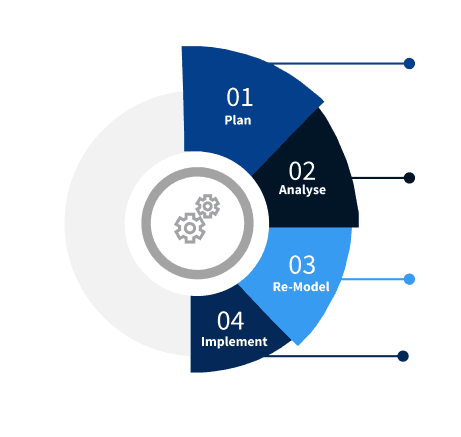
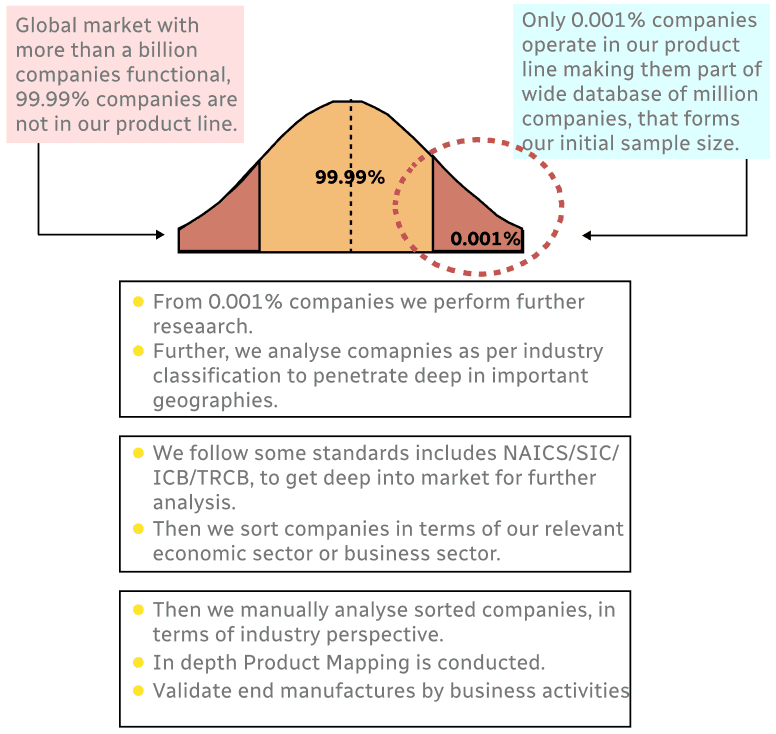
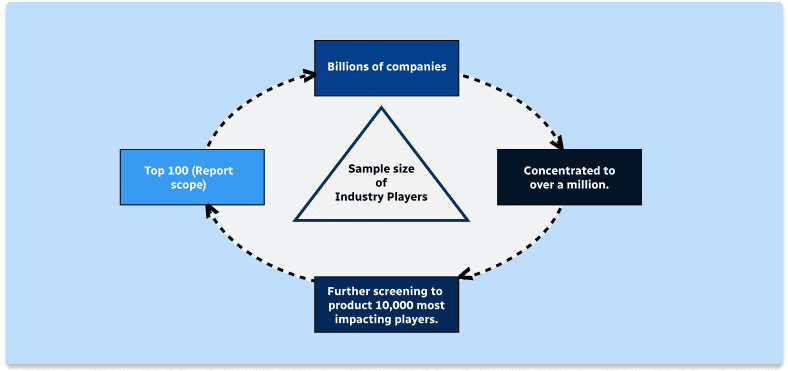
Step 1 - Identification of Relevant Samples Size from Population Database
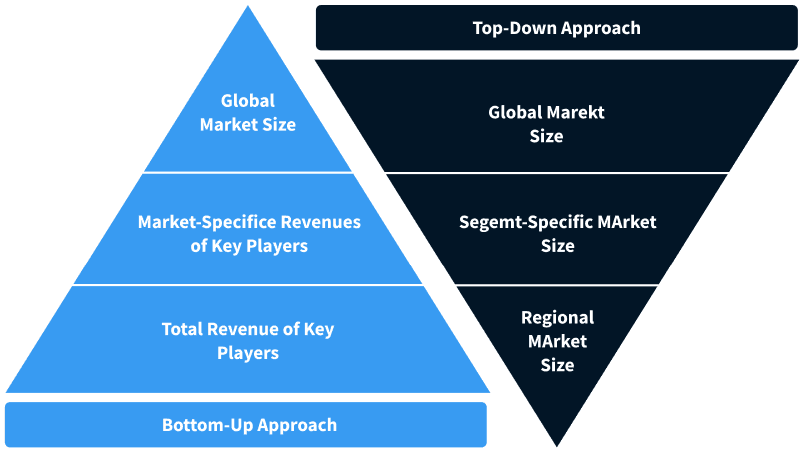
Step 2 - Approaches for Defining Global Market Size (Value, Volume* & Price*)
Note*: In applicable scenarios
Step 3 - Data Sources
Primary Research
- Web Analytics
- Survey Reports
- Research Institute
- Latest Research Reports
- Opinion Leaders
Secondary Research
- Annual Reports
- White Paper
- Latest Press Release
- Industry Association
- Paid Database
- Investor Presentations
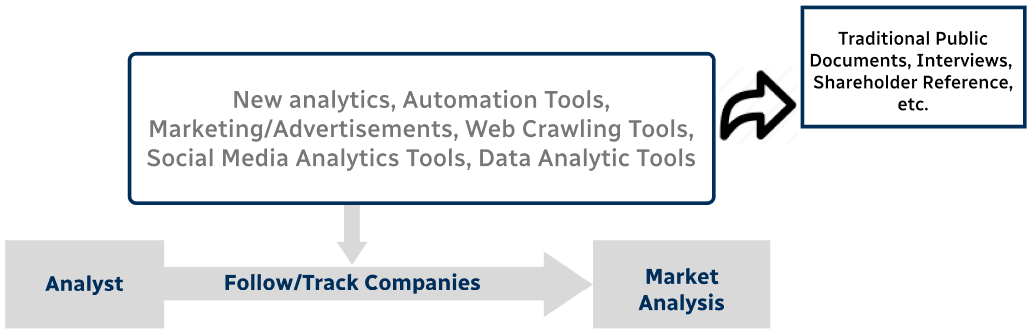
Step 4 - Data Triangulation
Involves using different sources of information in order to increase the validity of a study
These sources are likely to be stakeholders in a program - participants, other researchers, program staff, other community members, and so on.
Then we put all data in single framework & apply various statistical tools to find out the dynamic on the market.
During the analysis stage, feedback from the stakeholder groups would be compared to determine areas of agreement as well as areas of divergence