

Key Insights
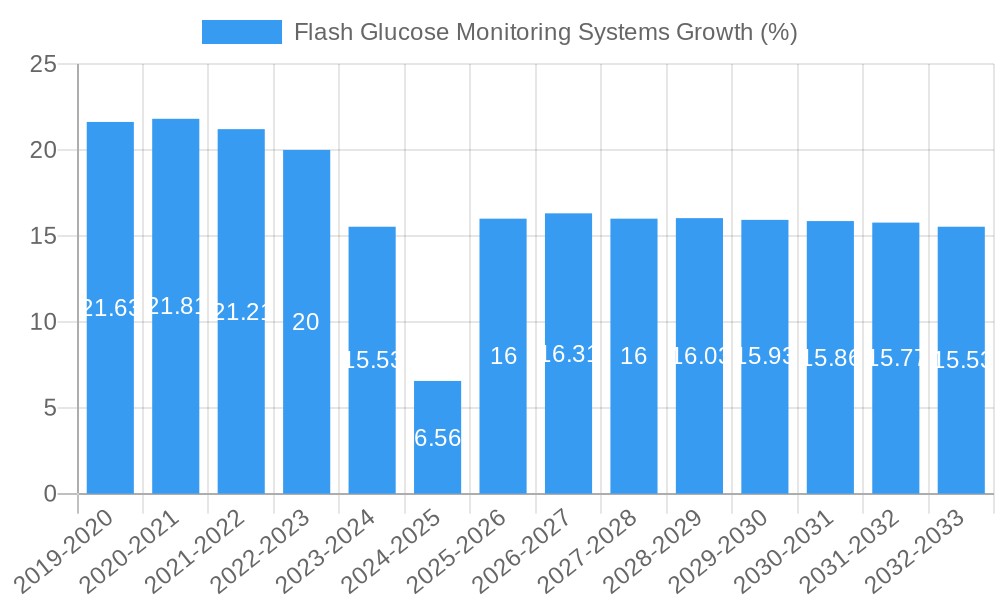
The global Flash Glucose Monitoring Systems market is poised for substantial growth, projected to reach approximately $6,500 million by 2025, with an anticipated Compound Annual Growth Rate (CAGR) of around 18% through 2033. This robust expansion is primarily driven by the increasing prevalence of diabetes globally, coupled with a growing awareness and adoption of advanced diabetes management technologies. The market is witnessing a significant shift towards user-friendly and minimally invasive monitoring solutions, directly benefiting the flash glucose monitoring segment. Key growth drivers include the rising incidence of type 1 and type 2 diabetes, a greater demand for real-time glucose readings for better treatment decisions, and favorable reimbursement policies in developed regions. Furthermore, technological advancements in sensor accuracy, connectivity, and data integration with other health devices are propelling market adoption. The convenience offered by flash systems, which eliminate the need for routine finger pricks for calibration, is a major catalyst for their widespread use in both clinical settings and at home.
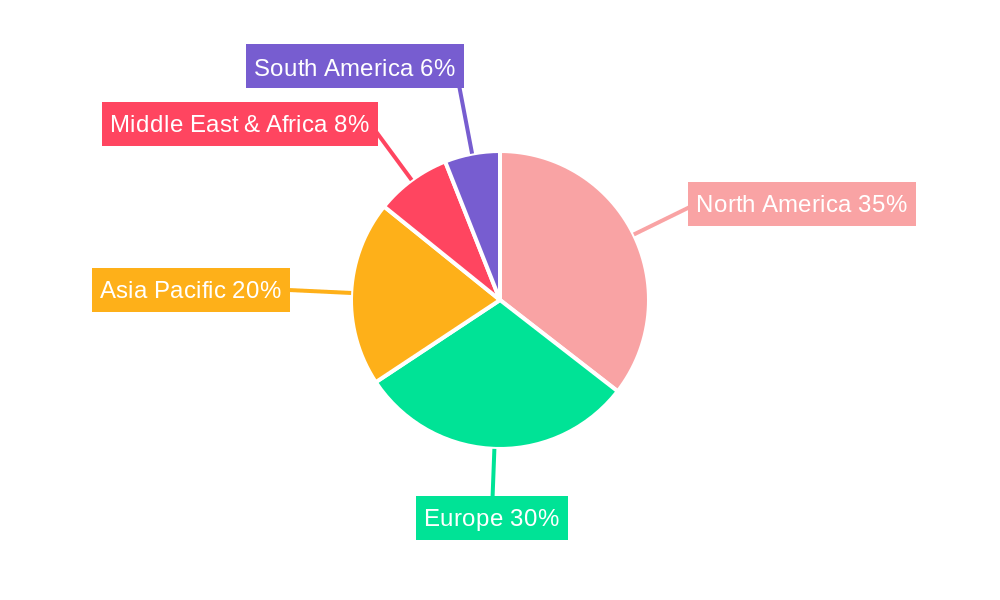
The market is segmented across various applications, with Hospital Pharmacy, Retail Pharmacy, and Online Pharmacy emerging as dominant distribution channels, reflecting the increasing accessibility of these devices. Home care is also a significant and growing segment as individuals with diabetes seek greater independence in managing their condition. In terms of types, Implantable Monitoring Systems and Wearable Monitoring Systems are the primary categories, with wearable systems currently leading due to their ease of use and non-invasive nature. However, advancements in implantable technology are expected to drive growth in that segment. Major industry players such as Abbott, Novo Nordisk A/S, Medtronic plc, and Roche Diagnostics are actively investing in research and development, aiming to enhance product features, improve accuracy, and expand their market reach. Geographically, North America and Europe currently dominate the market due to established healthcare infrastructures and high diabetes prevalence. However, the Asia Pacific region, particularly China and India, is expected to witness the fastest growth due to a rapidly expanding patient pool, increasing disposable incomes, and a growing focus on advanced healthcare solutions. Restraints include the initial cost of devices, although this is diminishing with technological advancements and increased competition, and the need for patient education and training.
Absolutely! Here's an SEO-optimized and engaging report description for Flash Glucose Monitoring Systems, incorporating your specified keywords, structure, and constraints.
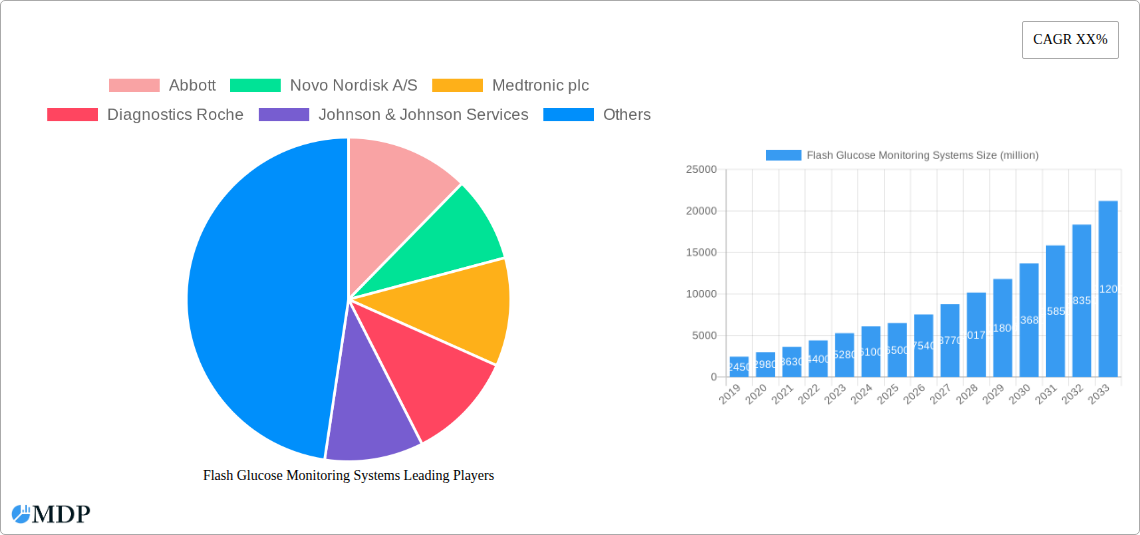
Flash Glucose Monitoring Systems Market Dynamics & Concentration
The global Flash Glucose Monitoring (FGM) Systems market is experiencing significant evolution, driven by escalating diabetes prevalence and a strong demand for convenient, real-time glucose monitoring solutions. Market concentration is moderately fragmented, with key players like Abbott, Medtronic plc, and Diagnostics Roche holding substantial market shares. However, the landscape is continuously shaped by innovation, with numerous smaller companies and startups contributing to a dynamic competitive environment. The past few years have witnessed a robust surge in M&A activities, with an estimated xx million in deal counts recorded historically, reflecting strategic consolidations and acquisitions aimed at expanding product portfolios and market reach. For instance, xx million in M&A deals were finalized in the historical period, underscoring the industry's appetite for growth and synergy. Abbott, a dominant force, is estimated to command over xx% of the market share. Regulatory frameworks, particularly those from the FDA and EMA, are crucial in dictating product approvals and market access, often driving innovation towards enhanced accuracy and user safety. Product substitutes, such as traditional finger-prick blood glucose meters, are gradually being displaced by the superior convenience and data insights offered by FGM devices. End-user trends strongly favor the adoption of wearable and implantable monitoring systems, driven by patient preference for less invasive and more integrated health management tools.
- Market Concentration: Moderately fragmented with key players and emerging innovators.
- Innovation Drivers: Technological advancements in sensor accuracy, data analytics, and user interface design.
- Regulatory Frameworks: Strict oversight by FDA, EMA, and other regional health authorities.
- Product Substitutes: Traditional finger-prick methods, continuous glucose monitors (CGMs).
- End-User Trends: Growing preference for wearable and implantable FGM devices, demand for remote patient monitoring.
- M&A Activities: Historically, xx million in deal counts with significant activity in the historical period (2019-2024).
Flash Glucose Monitoring Systems Industry Trends & Analysis
The Flash Glucose Monitoring Systems market is poised for substantial growth, projected to expand at a Compound Annual Growth Rate (CAGR) of approximately xx% from 2025 to 2033. This impressive trajectory is fueled by a confluence of factors, including the escalating global burden of diabetes, advancements in digital health technologies, and an increasing consumer awareness regarding proactive health management. The estimated market size in the base year of 2025 stands at a robust xx million, with projections indicating a significant upward trend throughout the forecast period. Technological disruptions are at the forefront, with innovations in sensor technology leading to enhanced accuracy, reduced calibration requirements, and longer wear times for FGM devices. Furthermore, the integration of artificial intelligence (AI) and machine learning (ML) algorithms into FGM systems is revolutionizing data analysis, providing users and healthcare providers with deeper insights into glucose trends, personalized treatment recommendations, and predictive alerts for hypoglycemic or hyperglycemic events. Consumer preferences are increasingly leaning towards non-invasive or minimally invasive monitoring solutions, driving the demand for FGM systems over traditional blood glucose meters. The convenience of "flash" scanning, eliminating the need for routine finger pricks, coupled with the ability to track glucose levels throughout the day and night, resonates strongly with patients seeking greater control and flexibility in managing their diabetes. The competitive dynamics within the industry are characterized by intense research and development, strategic partnerships between device manufacturers and digital health platforms, and a growing emphasis on user-centric design and connectivity features. Market penetration is steadily increasing, particularly in developed economies, as healthcare systems recognize the long-term cost benefits associated with improved diabetes management and reduced complications. The growing adoption of FGM systems in the home care segment is a significant trend, empowering individuals to manage their condition more effectively outside of clinical settings. The integration of these systems with smartphones and other connected devices further enhances user experience and facilitates seamless data sharing with healthcare professionals, leading to more informed clinical decisions and improved patient outcomes. The increasing disposable incomes in emerging economies are also contributing to market expansion, making advanced glucose monitoring technologies more accessible to a broader population. The focus on preventative healthcare and early intervention strategies further bolsters the demand for reliable and user-friendly glucose monitoring solutions. The development of novel materials and miniaturization of components are expected to lead to even more discreet and comfortable FGM devices in the future. The synergy between hardware innovation and sophisticated software analytics represents the core of the industry's growth narrative.
Leading Markets & Segments in Flash Glucose Monitoring Systems
The global Flash Glucose Monitoring Systems market exhibits distinct regional dominance and segmentation, with North America currently leading as the most prominent market. Within North America, the United States spearheads this leadership, driven by a high prevalence of diabetes, advanced healthcare infrastructure, and substantial investment in medical technology research and development. This dominance is further propelled by strong reimbursement policies and a proactive approach to adopting innovative healthcare solutions, including FGM systems.
Dominant Region: North America Leading Country: United States
The Home Care application segment is witnessing the most significant growth and adoption within the FGM market. This surge is attributable to the inherent convenience and autonomy offered by FGM devices, enabling individuals to monitor their glucose levels in familiar environments without constant medical supervision.
Dominant Application Segment: Home Care
Key Drivers for Home Care Dominance:
- Patient Empowerment: FGM systems empower individuals with diabetes to actively participate in their health management.
- Convenience & Discretion: Eliminates the need for frequent finger pricks, offering a less intrusive monitoring experience.
- Remote Patient Monitoring (RPM): Facilitates seamless data sharing with healthcare providers, enabling proactive intervention and personalized care.
- Technological Integration: Easy connectivity with smartphones and other devices enhances user experience and data accessibility.
- Growing Diabetic Population: Increasing incidence of diabetes necessitates accessible and effective self-management tools.
In terms of Types, the Wearable Monitoring System segment is currently the largest and fastest-growing. This preference is driven by the ease of use, continuous monitoring capabilities, and the integration of FGM functionality into devices that are both discreet and comfortable for daily wear.
Dominant Type Segment: Wearable Monitoring System
Key Drivers for Wearable Monitoring System Dominance:
- Minimally Invasive Design: Reduces patient discomfort compared to traditional methods.
- Continuous Data Stream: Provides a comprehensive overview of glucose fluctuations.
- User-Friendly Interface: Intuitive design and easy-to-understand data presentation.
- Technological Advancements: Miniaturization and improved battery life enhance wearability and convenience.
- Integration with Smart Devices: Seamless syncing with smartphones for data tracking and analysis.
While Hospital Pharmacy and Retail Pharmacy segments also contribute to the market, their growth is relatively slower compared to Home Care, as the focus shifts towards patient self-management and at-home monitoring solutions. Online Pharmacy is emerging as a significant channel for FGM device sales, driven by convenience and accessibility. The Implantable Monitoring System type, while innovative, is still in its nascent stages of market penetration compared to the widespread adoption of wearable FGM systems.
Flash Glucose Monitoring Systems Product Developments
The Flash Glucose Monitoring Systems market is characterized by continuous product innovation, focusing on enhancing accuracy, user comfort, and data integration. Recent developments include advanced sensor technologies that offer improved reliability and reduced interference, along with longer wear durations for sensors. Companies are prioritizing the development of sleek, discreet, and user-friendly wearable devices that seamlessly integrate with smartphone applications. These applications provide real-time glucose readings, trend analysis, personalized insights, and the ability to share data remotely with healthcare providers. Competitive advantages are being gained through proprietary algorithms that offer predictive alerts and personalized coaching, alongside features like improved waterproofing and enhanced battery life. The trend towards connected health ecosystems means FGM systems are increasingly interoperable with other diabetes management tools and electronic health records (EHRs).
Key Drivers of Flash Glucose Monitoring Systems Growth
The growth of the Flash Glucose Monitoring Systems market is propelled by several interconnected factors. Technological advancements in sensor accuracy, miniaturization, and wireless connectivity are paramount, enabling more convenient and reliable glucose monitoring. The increasing global prevalence of diabetes, particularly type 2 diabetes, creates a vast and expanding user base demanding effective management solutions. Growing patient awareness and demand for self-management tools empower individuals to take greater control of their health, favoring user-friendly devices like FGM systems. Furthermore, favorable reimbursement policies and government initiatives promoting diabetes care and adoption of advanced medical technologies in key markets significantly accelerate market penetration. The integration of FGM with digital health platforms and remote patient monitoring solutions also acts as a substantial growth catalyst.
Challenges in the Flash Glucose Monitoring Systems Market
Despite its robust growth, the Flash Glucose Monitoring Systems market faces several challenges. High initial costs associated with some FGM devices and sensors can be a barrier to adoption for a significant portion of the patient population, especially in price-sensitive emerging markets. Regulatory hurdles and lengthy approval processes for new products and software updates can slow down innovation and market entry. Data privacy and security concerns surrounding the sensitive health information collected by these devices need to be rigorously addressed to maintain user trust. Reimbursement inconsistencies across different healthcare systems and regions can create unequal access to these technologies. Moreover, competition from established continuous glucose monitoring (CGM) systems that offer real-time alarms and trend arrows presents an ongoing challenge, requiring FGM manufacturers to continually innovate and differentiate their offerings.
Emerging Opportunities in Flash Glucose Monitoring Systems
Emerging opportunities within the Flash Glucose Monitoring Systems market are ripe for exploitation. The integration of AI and machine learning for predictive analytics and personalized diabetes management offers a significant avenue for growth, moving beyond mere data collection to actionable insights. Strategic partnerships between FGM manufacturers, pharmaceutical companies developing diabetes treatments, and digital health platforms can create comprehensive care ecosystems, enhancing patient adherence and outcomes. Market expansion into underserved geographies, particularly in developing economies where diabetes rates are rapidly rising, presents a substantial untapped potential. The development of next-generation FGM technologies, such as those offering even greater accuracy, longer sensor life, and enhanced connectivity, will further drive adoption. Furthermore, the application of FGM data for research and clinical trials in diabetes management can open new revenue streams and contribute to scientific advancements.
Leading Players in the Flash Glucose Monitoring Systems Sector
- Abbott
- Novo Nordisk A/S
- Medtronic plc
- Diagnostics Roche
- Johnson & Johnson Services
- ForaCare
- Omron Healthcare
- B.Braun Medical
- Integrity Applications
- Bigfoot Biomedical
Key Milestones in Flash Glucose Monitoring Systems Industry
- 2019: Continued expansion of Abbott's FreeStyle Libre system into new global markets, solidifying its market leadership.
- 2020: Increased focus on telehealth and remote patient monitoring solutions, highlighting the value of FGM in decentralized healthcare.
- 2021: Launch of next-generation sensors with improved accuracy and wear time by leading manufacturers.
- 2022: Growing integration of FGM data with AI-powered diabetes management platforms, offering personalized insights.
- 2023: Strategic partnerships emerge between FGM providers and wearable technology companies, enhancing user experience and data integration.
- Early 2024: Significant regulatory approvals for advanced FGM features and expanded indications in key regions.
- Mid-2024: Increased M&A activity as larger players seek to consolidate their market position and expand their technological capabilities.
- Late 2024: Enhanced focus on cost-effectiveness and accessibility initiatives to broaden market reach in emerging economies.
Strategic Outlook for Flash Glucose Monitoring Systems Market
The strategic outlook for the Flash Glucose Monitoring Systems market remains exceptionally positive, driven by continued innovation and expanding global demand. Key growth accelerators include the ongoing miniaturization and enhancement of sensor technology, leading to more discreet and user-friendly devices. The increasing integration of AI-driven analytics for predictive health insights and personalized treatment plans will further solidify the market's value proposition. Strategic partnerships with digital health ecosystems and pharmaceutical companies will foster a more holistic approach to diabetes management. Furthermore, expanding market penetration into emerging economies, coupled with supportive reimbursement policies, will unlock significant growth potential. The market is expected to witness a sustained shift towards home-based care, empowering individuals with greater autonomy and control over their diabetes management.
Flash Glucose Monitoring Systems Segmentation
-
1. Application
- 1.1. Hospital Pharmacy
- 1.2. Retail Pharmacy
- 1.3. Online Pharmacy
- 1.4. Home Care
-
2. Types
- 2.1. Implantable Monitoring System
- 2.2. Wearable Monitoring System
Flash Glucose Monitoring Systems Segmentation By Geography
-
1. North America
- 1.1. United States
- 1.2. Canada
- 1.3. Mexico
-
2. South America
- 2.1. Brazil
- 2.2. Argentina
- 2.3. Rest of South America
-
3. Europe
- 3.1. United Kingdom
- 3.2. Germany
- 3.3. France
- 3.4. Italy
- 3.5. Spain
- 3.6. Russia
- 3.7. Benelux
- 3.8. Nordics
- 3.9. Rest of Europe
-
4. Middle East & Africa
- 4.1. Turkey
- 4.2. Israel
- 4.3. GCC
- 4.4. North Africa
- 4.5. South Africa
- 4.6. Rest of Middle East & Africa
-
5. Asia Pacific
- 5.1. China
- 5.2. India
- 5.3. Japan
- 5.4. South Korea
- 5.5. ASEAN
- 5.6. Oceania
- 5.7. Rest of Asia Pacific
Flash Glucose Monitoring Systems REPORT HIGHLIGHTS
| Aspects | Details |
|---|---|
| Study Period | 2019-2033 |
| Base Year | 2024 |
| Estimated Year | 2025 |
| Forecast Period | 2025-2033 |
| Historical Period | 2019-2024 |
| Growth Rate | CAGR of XX% from 2019-2033 |
| Segmentation |
|
Table of Contents
- 1. Introduction
- 1.1. Research Scope
- 1.2. Market Segmentation
- 1.3. Research Methodology
- 1.4. Definitions and Assumptions
- 2. Executive Summary
- 2.1. Introduction
- 3. Market Dynamics
- 3.1. Introduction
- 3.2. Market Drivers
- 3.3. Market Restrains
- 3.4. Market Trends
- 4. Market Factor Analysis
- 4.1. Porters Five Forces
- 4.2. Supply/Value Chain
- 4.3. PESTEL analysis
- 4.4. Market Entropy
- 4.5. Patent/Trademark Analysis
- 5. Global Flash Glucose Monitoring Systems Analysis, Insights and Forecast, 2019-2031
- 5.1. Market Analysis, Insights and Forecast - by Application
- 5.1.1. Hospital Pharmacy
- 5.1.2. Retail Pharmacy
- 5.1.3. Online Pharmacy
- 5.1.4. Home Care
- 5.2. Market Analysis, Insights and Forecast - by Types
- 5.2.1. Implantable Monitoring System
- 5.2.2. Wearable Monitoring System
- 5.3. Market Analysis, Insights and Forecast - by Region
- 5.3.1. North America
- 5.3.2. South America
- 5.3.3. Europe
- 5.3.4. Middle East & Africa
- 5.3.5. Asia Pacific
- 5.1. Market Analysis, Insights and Forecast - by Application
- 6. North America Flash Glucose Monitoring Systems Analysis, Insights and Forecast, 2019-2031
- 6.1. Market Analysis, Insights and Forecast - by Application
- 6.1.1. Hospital Pharmacy
- 6.1.2. Retail Pharmacy
- 6.1.3. Online Pharmacy
- 6.1.4. Home Care
- 6.2. Market Analysis, Insights and Forecast - by Types
- 6.2.1. Implantable Monitoring System
- 6.2.2. Wearable Monitoring System
- 6.1. Market Analysis, Insights and Forecast - by Application
- 7. South America Flash Glucose Monitoring Systems Analysis, Insights and Forecast, 2019-2031
- 7.1. Market Analysis, Insights and Forecast - by Application
- 7.1.1. Hospital Pharmacy
- 7.1.2. Retail Pharmacy
- 7.1.3. Online Pharmacy
- 7.1.4. Home Care
- 7.2. Market Analysis, Insights and Forecast - by Types
- 7.2.1. Implantable Monitoring System
- 7.2.2. Wearable Monitoring System
- 7.1. Market Analysis, Insights and Forecast - by Application
- 8. Europe Flash Glucose Monitoring Systems Analysis, Insights and Forecast, 2019-2031
- 8.1. Market Analysis, Insights and Forecast - by Application
- 8.1.1. Hospital Pharmacy
- 8.1.2. Retail Pharmacy
- 8.1.3. Online Pharmacy
- 8.1.4. Home Care
- 8.2. Market Analysis, Insights and Forecast - by Types
- 8.2.1. Implantable Monitoring System
- 8.2.2. Wearable Monitoring System
- 8.1. Market Analysis, Insights and Forecast - by Application
- 9. Middle East & Africa Flash Glucose Monitoring Systems Analysis, Insights and Forecast, 2019-2031
- 9.1. Market Analysis, Insights and Forecast - by Application
- 9.1.1. Hospital Pharmacy
- 9.1.2. Retail Pharmacy
- 9.1.3. Online Pharmacy
- 9.1.4. Home Care
- 9.2. Market Analysis, Insights and Forecast - by Types
- 9.2.1. Implantable Monitoring System
- 9.2.2. Wearable Monitoring System
- 9.1. Market Analysis, Insights and Forecast - by Application
- 10. Asia Pacific Flash Glucose Monitoring Systems Analysis, Insights and Forecast, 2019-2031
- 10.1. Market Analysis, Insights and Forecast - by Application
- 10.1.1. Hospital Pharmacy
- 10.1.2. Retail Pharmacy
- 10.1.3. Online Pharmacy
- 10.1.4. Home Care
- 10.2. Market Analysis, Insights and Forecast - by Types
- 10.2.1. Implantable Monitoring System
- 10.2.2. Wearable Monitoring System
- 10.1. Market Analysis, Insights and Forecast - by Application
- 11. Competitive Analysis
- 11.1. Global Market Share Analysis 2024
- 11.2. Company Profiles
- 11.2.1 Abbott
- 11.2.1.1. Overview
- 11.2.1.2. Products
- 11.2.1.3. SWOT Analysis
- 11.2.1.4. Recent Developments
- 11.2.1.5. Financials (Based on Availability)
- 11.2.2 Novo Nordisk A/S
- 11.2.2.1. Overview
- 11.2.2.2. Products
- 11.2.2.3. SWOT Analysis
- 11.2.2.4. Recent Developments
- 11.2.2.5. Financials (Based on Availability)
- 11.2.3 Medtronic plc
- 11.2.3.1. Overview
- 11.2.3.2. Products
- 11.2.3.3. SWOT Analysis
- 11.2.3.4. Recent Developments
- 11.2.3.5. Financials (Based on Availability)
- 11.2.4 Diagnostics Roche
- 11.2.4.1. Overview
- 11.2.4.2. Products
- 11.2.4.3. SWOT Analysis
- 11.2.4.4. Recent Developments
- 11.2.4.5. Financials (Based on Availability)
- 11.2.5 Johnson & Johnson Services
- 11.2.5.1. Overview
- 11.2.5.2. Products
- 11.2.5.3. SWOT Analysis
- 11.2.5.4. Recent Developments
- 11.2.5.5. Financials (Based on Availability)
- 11.2.6 ForaCare
- 11.2.6.1. Overview
- 11.2.6.2. Products
- 11.2.6.3. SWOT Analysis
- 11.2.6.4. Recent Developments
- 11.2.6.5. Financials (Based on Availability)
- 11.2.7 Omron Healthcare
- 11.2.7.1. Overview
- 11.2.7.2. Products
- 11.2.7.3. SWOT Analysis
- 11.2.7.4. Recent Developments
- 11.2.7.5. Financials (Based on Availability)
- 11.2.8 B.Braun Medical
- 11.2.8.1. Overview
- 11.2.8.2. Products
- 11.2.8.3. SWOT Analysis
- 11.2.8.4. Recent Developments
- 11.2.8.5. Financials (Based on Availability)
- 11.2.9 Integrity Applications
- 11.2.9.1. Overview
- 11.2.9.2. Products
- 11.2.9.3. SWOT Analysis
- 11.2.9.4. Recent Developments
- 11.2.9.5. Financials (Based on Availability)
- 11.2.10 Bigfoot Biomedical
- 11.2.10.1. Overview
- 11.2.10.2. Products
- 11.2.10.3. SWOT Analysis
- 11.2.10.4. Recent Developments
- 11.2.10.5. Financials (Based on Availability)
- 11.2.1 Abbott
List of Figures
- Figure 1: Global Flash Glucose Monitoring Systems Revenue Breakdown (million, %) by Region 2024 & 2032
- Figure 2: North America Flash Glucose Monitoring Systems Revenue (million), by Application 2024 & 2032
- Figure 3: North America Flash Glucose Monitoring Systems Revenue Share (%), by Application 2024 & 2032
- Figure 4: North America Flash Glucose Monitoring Systems Revenue (million), by Types 2024 & 2032
- Figure 5: North America Flash Glucose Monitoring Systems Revenue Share (%), by Types 2024 & 2032
- Figure 6: North America Flash Glucose Monitoring Systems Revenue (million), by Country 2024 & 2032
- Figure 7: North America Flash Glucose Monitoring Systems Revenue Share (%), by Country 2024 & 2032
- Figure 8: South America Flash Glucose Monitoring Systems Revenue (million), by Application 2024 & 2032
- Figure 9: South America Flash Glucose Monitoring Systems Revenue Share (%), by Application 2024 & 2032
- Figure 10: South America Flash Glucose Monitoring Systems Revenue (million), by Types 2024 & 2032
- Figure 11: South America Flash Glucose Monitoring Systems Revenue Share (%), by Types 2024 & 2032
- Figure 12: South America Flash Glucose Monitoring Systems Revenue (million), by Country 2024 & 2032
- Figure 13: South America Flash Glucose Monitoring Systems Revenue Share (%), by Country 2024 & 2032
- Figure 14: Europe Flash Glucose Monitoring Systems Revenue (million), by Application 2024 & 2032
- Figure 15: Europe Flash Glucose Monitoring Systems Revenue Share (%), by Application 2024 & 2032
- Figure 16: Europe Flash Glucose Monitoring Systems Revenue (million), by Types 2024 & 2032
- Figure 17: Europe Flash Glucose Monitoring Systems Revenue Share (%), by Types 2024 & 2032
- Figure 18: Europe Flash Glucose Monitoring Systems Revenue (million), by Country 2024 & 2032
- Figure 19: Europe Flash Glucose Monitoring Systems Revenue Share (%), by Country 2024 & 2032
- Figure 20: Middle East & Africa Flash Glucose Monitoring Systems Revenue (million), by Application 2024 & 2032
- Figure 21: Middle East & Africa Flash Glucose Monitoring Systems Revenue Share (%), by Application 2024 & 2032
- Figure 22: Middle East & Africa Flash Glucose Monitoring Systems Revenue (million), by Types 2024 & 2032
- Figure 23: Middle East & Africa Flash Glucose Monitoring Systems Revenue Share (%), by Types 2024 & 2032
- Figure 24: Middle East & Africa Flash Glucose Monitoring Systems Revenue (million), by Country 2024 & 2032
- Figure 25: Middle East & Africa Flash Glucose Monitoring Systems Revenue Share (%), by Country 2024 & 2032
- Figure 26: Asia Pacific Flash Glucose Monitoring Systems Revenue (million), by Application 2024 & 2032
- Figure 27: Asia Pacific Flash Glucose Monitoring Systems Revenue Share (%), by Application 2024 & 2032
- Figure 28: Asia Pacific Flash Glucose Monitoring Systems Revenue (million), by Types 2024 & 2032
- Figure 29: Asia Pacific Flash Glucose Monitoring Systems Revenue Share (%), by Types 2024 & 2032
- Figure 30: Asia Pacific Flash Glucose Monitoring Systems Revenue (million), by Country 2024 & 2032
- Figure 31: Asia Pacific Flash Glucose Monitoring Systems Revenue Share (%), by Country 2024 & 2032
List of Tables
- Table 1: Global Flash Glucose Monitoring Systems Revenue million Forecast, by Region 2019 & 2032
- Table 2: Global Flash Glucose Monitoring Systems Revenue million Forecast, by Application 2019 & 2032
- Table 3: Global Flash Glucose Monitoring Systems Revenue million Forecast, by Types 2019 & 2032
- Table 4: Global Flash Glucose Monitoring Systems Revenue million Forecast, by Region 2019 & 2032
- Table 5: Global Flash Glucose Monitoring Systems Revenue million Forecast, by Application 2019 & 2032
- Table 6: Global Flash Glucose Monitoring Systems Revenue million Forecast, by Types 2019 & 2032
- Table 7: Global Flash Glucose Monitoring Systems Revenue million Forecast, by Country 2019 & 2032
- Table 8: United States Flash Glucose Monitoring Systems Revenue (million) Forecast, by Application 2019 & 2032
- Table 9: Canada Flash Glucose Monitoring Systems Revenue (million) Forecast, by Application 2019 & 2032
- Table 10: Mexico Flash Glucose Monitoring Systems Revenue (million) Forecast, by Application 2019 & 2032
- Table 11: Global Flash Glucose Monitoring Systems Revenue million Forecast, by Application 2019 & 2032
- Table 12: Global Flash Glucose Monitoring Systems Revenue million Forecast, by Types 2019 & 2032
- Table 13: Global Flash Glucose Monitoring Systems Revenue million Forecast, by Country 2019 & 2032
- Table 14: Brazil Flash Glucose Monitoring Systems Revenue (million) Forecast, by Application 2019 & 2032
- Table 15: Argentina Flash Glucose Monitoring Systems Revenue (million) Forecast, by Application 2019 & 2032
- Table 16: Rest of South America Flash Glucose Monitoring Systems Revenue (million) Forecast, by Application 2019 & 2032
- Table 17: Global Flash Glucose Monitoring Systems Revenue million Forecast, by Application 2019 & 2032
- Table 18: Global Flash Glucose Monitoring Systems Revenue million Forecast, by Types 2019 & 2032
- Table 19: Global Flash Glucose Monitoring Systems Revenue million Forecast, by Country 2019 & 2032
- Table 20: United Kingdom Flash Glucose Monitoring Systems Revenue (million) Forecast, by Application 2019 & 2032
- Table 21: Germany Flash Glucose Monitoring Systems Revenue (million) Forecast, by Application 2019 & 2032
- Table 22: France Flash Glucose Monitoring Systems Revenue (million) Forecast, by Application 2019 & 2032
- Table 23: Italy Flash Glucose Monitoring Systems Revenue (million) Forecast, by Application 2019 & 2032
- Table 24: Spain Flash Glucose Monitoring Systems Revenue (million) Forecast, by Application 2019 & 2032
- Table 25: Russia Flash Glucose Monitoring Systems Revenue (million) Forecast, by Application 2019 & 2032
- Table 26: Benelux Flash Glucose Monitoring Systems Revenue (million) Forecast, by Application 2019 & 2032
- Table 27: Nordics Flash Glucose Monitoring Systems Revenue (million) Forecast, by Application 2019 & 2032
- Table 28: Rest of Europe Flash Glucose Monitoring Systems Revenue (million) Forecast, by Application 2019 & 2032
- Table 29: Global Flash Glucose Monitoring Systems Revenue million Forecast, by Application 2019 & 2032
- Table 30: Global Flash Glucose Monitoring Systems Revenue million Forecast, by Types 2019 & 2032
- Table 31: Global Flash Glucose Monitoring Systems Revenue million Forecast, by Country 2019 & 2032
- Table 32: Turkey Flash Glucose Monitoring Systems Revenue (million) Forecast, by Application 2019 & 2032
- Table 33: Israel Flash Glucose Monitoring Systems Revenue (million) Forecast, by Application 2019 & 2032
- Table 34: GCC Flash Glucose Monitoring Systems Revenue (million) Forecast, by Application 2019 & 2032
- Table 35: North Africa Flash Glucose Monitoring Systems Revenue (million) Forecast, by Application 2019 & 2032
- Table 36: South Africa Flash Glucose Monitoring Systems Revenue (million) Forecast, by Application 2019 & 2032
- Table 37: Rest of Middle East & Africa Flash Glucose Monitoring Systems Revenue (million) Forecast, by Application 2019 & 2032
- Table 38: Global Flash Glucose Monitoring Systems Revenue million Forecast, by Application 2019 & 2032
- Table 39: Global Flash Glucose Monitoring Systems Revenue million Forecast, by Types 2019 & 2032
- Table 40: Global Flash Glucose Monitoring Systems Revenue million Forecast, by Country 2019 & 2032
- Table 41: China Flash Glucose Monitoring Systems Revenue (million) Forecast, by Application 2019 & 2032
- Table 42: India Flash Glucose Monitoring Systems Revenue (million) Forecast, by Application 2019 & 2032
- Table 43: Japan Flash Glucose Monitoring Systems Revenue (million) Forecast, by Application 2019 & 2032
- Table 44: South Korea Flash Glucose Monitoring Systems Revenue (million) Forecast, by Application 2019 & 2032
- Table 45: ASEAN Flash Glucose Monitoring Systems Revenue (million) Forecast, by Application 2019 & 2032
- Table 46: Oceania Flash Glucose Monitoring Systems Revenue (million) Forecast, by Application 2019 & 2032
- Table 47: Rest of Asia Pacific Flash Glucose Monitoring Systems Revenue (million) Forecast, by Application 2019 & 2032
Frequently Asked Questions
1. What is the projected Compound Annual Growth Rate (CAGR) of the Flash Glucose Monitoring Systems?
The projected CAGR is approximately XX%.
2. Which companies are prominent players in the Flash Glucose Monitoring Systems?
Key companies in the market include Abbott, Novo Nordisk A/S, Medtronic plc, Diagnostics Roche, Johnson & Johnson Services, ForaCare, Omron Healthcare, B.Braun Medical, Integrity Applications, Bigfoot Biomedical.
3. What are the main segments of the Flash Glucose Monitoring Systems?
The market segments include Application, Types.
4. Can you provide details about the market size?
The market size is estimated to be USD XXX million as of 2022.
5. What are some drivers contributing to market growth?
N/A
6. What are the notable trends driving market growth?
N/A
7. Are there any restraints impacting market growth?
N/A
8. Can you provide examples of recent developments in the market?
N/A
9. What pricing options are available for accessing the report?
Pricing options include single-user, multi-user, and enterprise licenses priced at USD 2900.00, USD 4350.00, and USD 5800.00 respectively.
10. Is the market size provided in terms of value or volume?
The market size is provided in terms of value, measured in million.
11. Are there any specific market keywords associated with the report?
Yes, the market keyword associated with the report is "Flash Glucose Monitoring Systems," which aids in identifying and referencing the specific market segment covered.
12. How do I determine which pricing option suits my needs best?
The pricing options vary based on user requirements and access needs. Individual users may opt for single-user licenses, while businesses requiring broader access may choose multi-user or enterprise licenses for cost-effective access to the report.
13. Are there any additional resources or data provided in the Flash Glucose Monitoring Systems report?
While the report offers comprehensive insights, it's advisable to review the specific contents or supplementary materials provided to ascertain if additional resources or data are available.
14. How can I stay updated on further developments or reports in the Flash Glucose Monitoring Systems?
To stay informed about further developments, trends, and reports in the Flash Glucose Monitoring Systems, consider subscribing to industry newsletters, following relevant companies and organizations, or regularly checking reputable industry news sources and publications.
Methodology
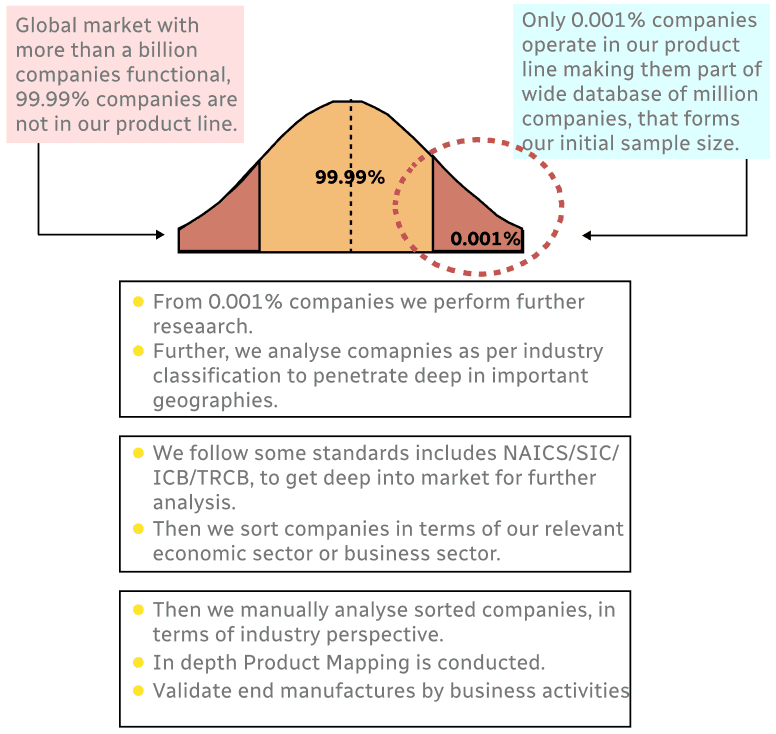
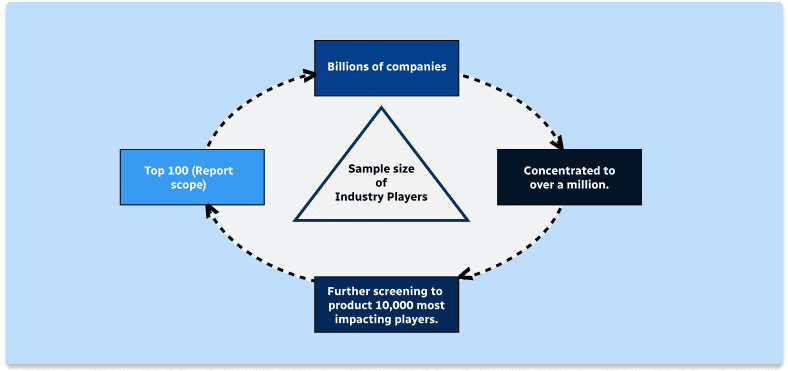
Step 1 - Identification of Relevant Samples Size from Population Database
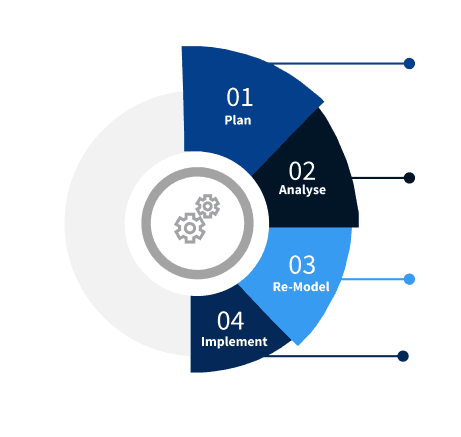
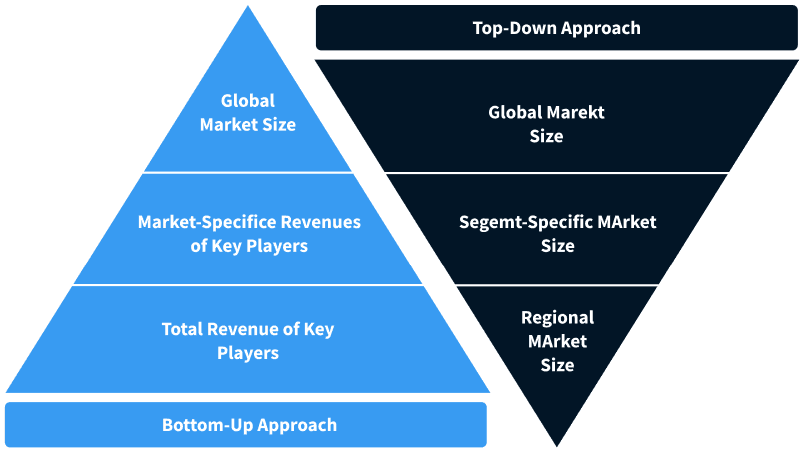
Step 2 - Approaches for Defining Global Market Size (Value, Volume* & Price*)
Note*: In applicable scenarios
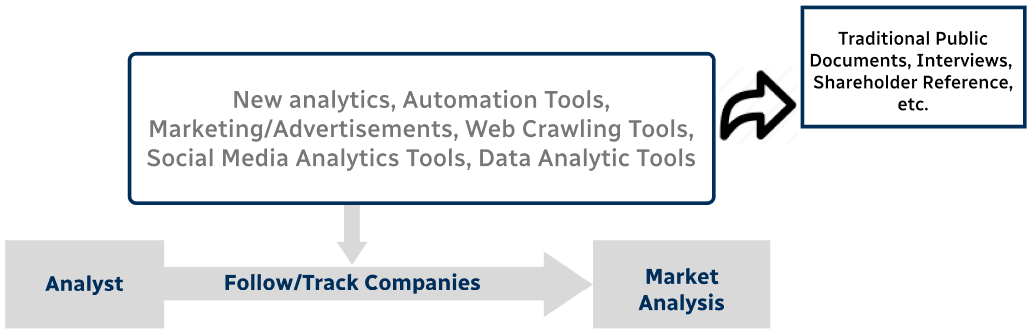
Step 3 - Data Sources
Primary Research
- Web Analytics
- Survey Reports
- Research Institute
- Latest Research Reports
- Opinion Leaders
Secondary Research
- Annual Reports
- White Paper
- Latest Press Release
- Industry Association
- Paid Database
- Investor Presentations
Step 4 - Data Triangulation
Involves using different sources of information in order to increase the validity of a study
These sources are likely to be stakeholders in a program - participants, other researchers, program staff, other community members, and so on.
Then we put all data in single framework & apply various statistical tools to find out the dynamic on the market.
During the analysis stage, feedback from the stakeholder groups would be compared to determine areas of agreement as well as areas of divergence